Getting injured at work can be overwhelming. In just one moment, you may be dealing with pain, medical appointments, missed paychecks, and uncertainty about what comes next. One of the most common questions injured workers ask is: “Do I need a lawyer for a workplace injury claim?”
The honest answer is—it depends. Some workplace injury claims are simple and move smoothly. Others become complicated very quickly, especially when injuries are serious, benefits are delayed, or responsibility is disputed. Knowing when you can handle a claim on your own and when legal help makes a real difference can protect your health, income, and future.
This article explains workplace injury claims in simple terms, outlines situations where a lawyer may or may not be necessary, and helps both workers and law practices understand the value of legal representation.
Understanding Workplace Injury Claims in the U.S.
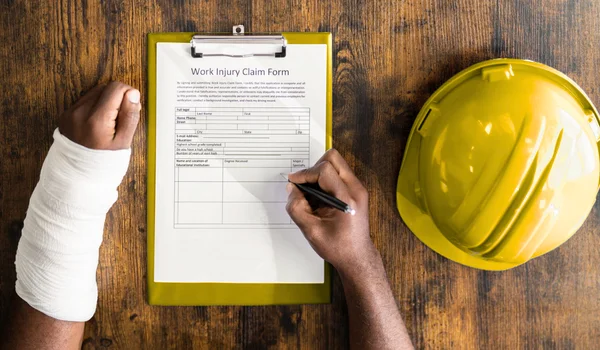
Most job-related injuries in the United States are handled through workers’ compensation. This is an insurance system designed to provide injured workers with basic benefits, regardless of who caused the accident.
Workers’ compensation usually covers:
- Medical treatment
- A portion of lost wages
- Temporary or permanent disability benefits
- Job-related rehabilitation in some cases
In exchange for these benefits, workers generally cannot sue their employer. However, even though the system is meant to be straightforward, claims do not always go smoothly.
When You Might Not Need a Lawyer
Not every workplace injury requires legal help. In some situations, workers can manage their claim without a lawyer.
- Minor Injuries with Full Cooperation
If the injury is minor, such as a small cut or strain, and:
- Your employer reports the injury properly
- The insurance company approves medical care
- Wage benefits are paid correctly
- You recover fully and return to work quickly
You may not need a lawyer.
- Clear and Undisputed Claims
If there is no disagreement about:
- How the injury happened
- Whether it was work-related
- The medical treatment needed
The claim may resolve without complications.
- No Missed Work or Lasting Effects
If you do not miss work or suffer lasting limitations, the process is often simpler.
Even in these cases, however, it’s important to monitor the claim closely.
Why Workplace Injury Claims Often Become Complicated
While workers’ compensation sounds simple, many claims run into problems. Common issues include:
- Delayed or denied benefits
- Disputes over whether the injury is work-related
- Pressure to return to work too early
- Incomplete medical treatment approvals
- Disagreements about disability ratings
- Retaliation or job pressure after filing a claim
When these problems arise, injured workers often realize that the system does not always work in their favor.
When You Should Strongly Consider Hiring a Lawyer
In many situations, having a workplace injury lawyer can make a significant difference.
- Serious or Long-Term Injuries
If your injury involves:
- Surgery
- Long-term treatment
- Permanent limitations
- Chronic pain
- Disability
A lawyer can help ensure you receive the full benefits you are entitled to, both now and in the future.
- Claim Denial or Benefit Delays
If your claim is denied or benefits stop unexpectedly, legal guidance becomes critical. Insurance companies may argue that:
- The injury happened outside of work
- The injury is pre-existing
- You are able to work when you are not
A lawyer can challenge these decisions.
- Employer or Insurance Company Pushback
Some workers face pressure to:
- Avoid filing a claim
- Use personal health insurance instead
- Return to work before fully healed
- Accept less compensation than deserved
Legal representation helps protect workers from unfair practices.
- Disputes Over Medical Treatment
If the insurance company refuses to approve recommended treatment or limits doctor choices, a lawyer can help fight for proper care.
- Permanent Disability or Reduced Work Capacity
When an injury affects your ability to work long-term, benefit calculations become complex. Lawyers help evaluate future wage loss and disability benefits.
- Third-Party Injury Possibilities
If someone other than your employer caused the injury—such as a subcontractor, equipment manufacturer, or driver—you may have a separate legal claim beyond workers’ compensation. A lawyer can identify these opportunities.
What a Workplace Injury Lawyer Actually Does
Many injured workers think hiring a lawyer means going to court immediately. In reality, most workplace injury cases never go to trial.
A workplace injury lawyer typically:
- Reviews the facts of the injury
- Explains your rights and options clearly
- Handles communication with insurance companies
- Gathers medical evidence and work records
- Files required paperwork correctly and on time
- Challenges unfair denials or delays
- Negotiates settlements when appropriate
- Represents you at hearings if needed
For law practices, this work requires a strong understanding of both injury law and workers’ compensation systems.
Cost Concerns: Can I Afford a Lawyer?
One of the biggest concerns injured workers have is cost. The good news is that most workplace injury lawyers work on a contingency or regulated fee basis, meaning:
- You pay nothing upfront
- Fees are often limited by state law
- Payment usually comes from awarded benefits or settlements
This structure allows injured workers to access legal help without financial risk.
Risks of Handling a Complex Claim Alone
Trying to handle a complicated claim without legal help can lead to:
- Missed deadlines
- Incomplete documentation
- Acceptance of unfair settlements
- Loss of future benefits
- Reduced disability ratings
Once mistakes are made, they can be difficult—or impossible—to correct later.
How a Lawyer Helps Protect Your Future
Workplace injuries don’t just affect today—they can affect your long-term earning ability, health, and retirement. Lawyers help look beyond immediate bills and consider:
- Ongoing medical needs
- Future surgeries or therapy
- Career limitations
- Long-term income loss
For serious injuries, this long-term view is critical.
When to Talk to a Lawyer
You don’t have to wait until something goes wrong. Many injured workers benefit from speaking with a lawyer early, even if just for guidance.
Consider consulting a lawyer if:
- You’re unsure how the injury should be reported
- You’re feeling pressured by your employer or insurer
- You don’t understand the benefits being offered
- Your injury is not improving
- You’re worried about job security
An early conversation can prevent costly mistakes.
What This Means for Law Practices
For law firms, articles like this serve two purposes:
- Educate potential clients
- Build trust and authority
Clear, jargon-free explanations help injured workers feel informed rather than intimidated. Workplace injury law is as much about guidance and protection as it is about legal action.
Conclusion
So, do you need a lawyer for a workplace injury claim? Not always—but in many cases, legal help can make a meaningful difference.
If your injury is minor and everything proceeds smoothly, you may not need representation. But if your injury is serious, your benefits are delayed or denied, or your future work ability is at risk, speaking with a workplace injury lawyer is often one of the smartest steps you can take.
Workplace injury claims are not just about paperwork—they are about protecting your health, your income, and your future. Knowing when to ask for help empowers you to move forward with confidence.
About the Author