Every parent, caregiver, and driver in South Carolina wants one thing when their child rides in a car: safety. That’s why the state has specific laws about car seats, booster seats, and seat belts for children. These rules are designed to protect kids in crashes — the leading cause of death for children in the U.S. — and to reduce serious injuries. At the same time, car seat law can be confusing, especially with overlapping age, height, and weight requirements, plus legal penalties for violations.
This guide will break South Carolina car seat law down into clear sections for everyday drivers, and legal professionals who advise on motor vehicle cases or traffic citations.
The Basics: What South Carolina Law Actually Says
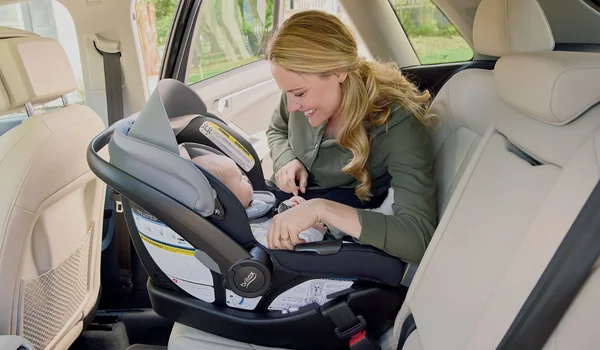
In South Carolina, the law governing child car seats is found in the motor vehicle code and applies whenever a driver transports a child under age 8 on public streets and highways.
The law sets requirements based both on age and physical development, meaning a child moves from rear-facing to forward-facing, then to a booster or adult belt — depending on growth.
Here is a simple breakdown:
✅ Rear-Facing Car Seat (Safest Start)
- Infants and children under 2 years old must ride in a rear-facing car seat in a rear passenger seat.
- This applies until they exceed the seat manufacturer’s height or weight limits.
Why rear-facing?
Children’s necks and spines are fragile, and rear-facing seats cushion and distribute crash forces better than forward-facing seats. This is both good safety practice and legal requirement.
🔄 Forward-Facing Car Seat
- Once a child is at least 2 years old or the child outgrows the rear-facing seat by height/weight limits, they must use a forward-facing car seat with a harness.
- This seat also must be installed in the rear passenger seat of the vehicle.
🪑 Booster Seats
- Children who are at least 4 years old and have outgrown the forward-facing seat must be secured in a booster seat.
- Boosters are designed to position the adult seat belt correctly across the stronger bones of a child’s pelvis and shoulder.
Important: Booster seats must be used with both lap and shoulder belts — not just a lap belt.
🎒 Adult Seat Belts
- A child may transition out of a booster to a standard adult seat belt once they:
- Are at least 8 years old, or
- Are 57 inches (4’9″) tall, and
- The seat belt fits properly:
- Lap belt across the hips/thighs, not the abdomen
- Shoulder belt across the center of the chest, not the neck
- Child sits back with knees bent comfortably without slouching
This “belt-fit test” is essentially a way to check if a child’s body size allows the seat belt system to protect them effectively in a crash.
Why These Rules Matter (Safety First)
The primary goal of South Carolina’s car seat laws is child safety, not punishment. South Carolina — along with national safety authorities like the American Academy of Pediatrics (AAP) and the National Highway Traffic Safety Administration (NHTSA) — emphasizes that the right restraint system significantly reduces the risk of injury during a crash.
While the law sets minimum requirements, best safety practices often go beyond minimums. For example:
- Many safety experts recommend children stay in belts and boosters much longer than the legal minimum if weight and height allow.
- Children under age 13 are generally safer in the back seat, even if they legally could ride up front with a belt.
Exceptions and Special Situations
South Carolina law recognizes that one size does not fit all. Some exceptions include:
Medical Exceptions
If a child has a documented medical condition preventing the use of a standard seat, a physician, nurse practitioner, or physician assistant can provide written documentation. The child must still be transported in a specialized approved transport system designed for the medical need.
Seat Placement Exceptions
Children under 8 must generally ride in the rear seat. However, they can sit in the front only if:
- The vehicle has no rear seat, or
- All rear seating positions are occupied by other children under 8.
Not Always Applicable
The child passenger restraint rules do not apply to:
- Taxis, ride-share vehicles, and commercial buses
- Emergency vehicles in active response
- Some church/community transport and public transportation vehicles
But parents must still provide appropriate seats for their children, especially in taxis — which often do not supply them.
Legal Responsibilities & Enforcement
Driver Responsibility
Under South Carolina law:
- The driver is responsible for ensuring all passengers under age 8 are properly restrained.
- There are also seat belt laws for all occupants: everyone must wear a seat belt, and the driver must ensure passengers under 18 comply as well.
Penalties for Violations
Violating the child passenger safety law can result in fines, and sometimes court involvement:
- Child restraint violations typically carry fines up to $150 plus court costs.
- Courts may waive fines if the driver shows proof that an appropriate car or booster seat was purchased before the court date.
- Seat belt violations for adults are lower, generally up to $25.
These are classified as traffic infractions, not criminal offenses, so they usually don’t go on a criminal record unless you fail to pay fines or ignore court dates.
Law enforcement typically must witness the seat belt or car seat violation — they can’t stop you just for an unrestrained child unless another traffic offense is involved.
Real-World Scenarios: How the Law Works in Practice
Scenario 1: Baby in Back
A parent drives with a 10-month-old in the front seat, rear-facing. That’s legal only if there is no rear seat or all rear seats are filled with other kids under 8. Otherwise, it’s a violation.
Scenario 2: A 5-Year-Old Outgrows Forward-Facing Seat
A child is 5 years old but has hit the weight limit of the forward-facing car seat. They must move to a booster seat regardless of age until the belt fits properly.
Scenario 3: Eight is Not Always Enough
An 8-year-old child who is shorter than 57 inches may not be done with a booster seat if the seat belt doesn’t fit correctly by the legal test. This is where the “belt-fit” testing language in the law becomes practical, not just abstract.
Tips for Everyday Drivers
Here are tips that help protect kids — and avoid trouble:
🛠 Install Seats Correctly
Use the vehicle manual and car seat instructions. Consider a free car seat check at certified inspection stations through the state program.
🔁 Register Your Seats
Register booster and car seats with the manufacturer to get recall notifications.
📑 Keep Documentation
If you get a citation, having proof of a recent car seat purchase may lead to a dismissal of fines.
🚗 Think Safest First
State law sets minimums. Many safety organizations recommend longer use of restraints that reduce risk — for example, keeping kids in boosters until adult belts fit comfortably and safely.
For Legal Practices: Key Issues to Consider
For lawyers advising clients in traffic or injury cases involving child restraint issues:
Focus on Legal Compliance vs. Safety Standards
Defenses might include:
- Seats were properly installed
- Manufacturer’s specifications were followed
- Exceptions (medical, seating configuration)
Understand the difference between legal compliance and best safety practices — judges may consider both.
Final Thoughts
South Carolina’s car seat laws are designed to protect children at every stage of growth — from infant rear-facing seats to adult-fit seat belts. Unlike general seat belt laws, car seat rules are more detailed because the science of crash safety demands it.
The law is not just about ticks on a compliance checklist — it’s intended to match children’s physical development with the safest possible restraint system during the riskiest moments: vehicle crashes.
By understanding the law, using proper seats, and staying informed about updates and recalls, parents and caregivers can protect their children — and drivers can keep their roads safer for everyone.
About the Author