When it comes to keeping children safe in cars, Louisiana takes child passenger protection seriously. Whether you’re a new parent buckling in your first car seat, a caregiver unfamiliar with state rules, or a legal professional advising clients on traffic safety cases, understanding Louisiana’s car seat laws is essential. This article breaks down the rules, penalties, exceptions, and practical tips in clear language — no heavy legal jargon.
Why Car Seat Laws Matter
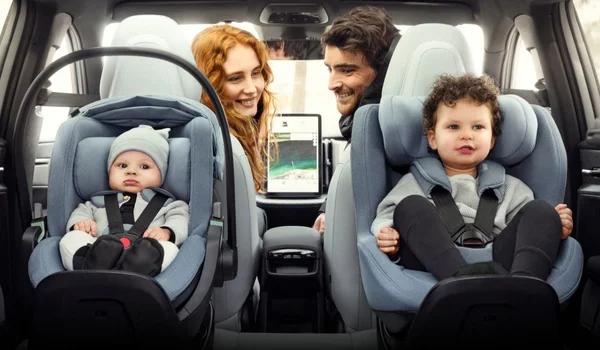
Motor vehicle crashes are a leading cause of injury and death for children. Proper car seats, booster seats, and seat belt use are proven to dramatically reduce the risk of serious injury or fatality. Louisiana’s laws reflect current safety science about how children’s bodies are best protected in crashes.
But knowing what the law says and why it matters are two different things. The law isn’t just about avoiding a ticket — it’s about giving children the best protection possible.
Who Must Follow These Rules?
In Louisiana, anyone transporting a child in a motor vehicle must follow the child restraint laws. That means:
- Drivers are responsible for securing children properly.
- Parents, guardians, babysitters, grandparents, rideshare drivers — all must comply.
- The rules apply on all public roads and highways.
Age & Size Based Requirements (Step-by-Step)
Louisiana’s law uses a combination of age and weight/size to determine what type of restraint a child needs. If a child fits more than one category, the law requires using the more protective one.
🧒 A. Infants — Birth to At Least 2 Years
- Rear-facing car seat is required.
- This could be an infant-only seat or a convertible seat used rear-facing.
- Rear-facing protects the head, neck, and spine best during a crash.
Why it matters: A child’s neck muscles are not strong enough to handle crash forces forward-facing at this age.
👶 B. Toddlers — At Least 2 Years (or Older if Still Within Limits)
- Once a child is at least 2 years old AND has outgrown the rear-facing seat by weight or height, they must ride in a forward-facing seat with an internal harness.
➤ Even if a child turns 2, if they still fit safely rear-facing under the seat’s height/weight limits, rear-facing is recommended and often safer.
🚗 C. Preschool Age — At Least 4 Years
- After outgrowing a forward-facing seat with a harness by size, a belt-positioning booster seat is required.
- Booster seats work with lap-shoulder seat belts to position them properly on a child’s body.
💡 Hint: A booster seat is typically needed until the vehicle’s adult belt fits correctly (more on that in the next section).
🎒 D. School Age — At Least 9 Years (or Meets Seat Belt Fit Test)
- Once a child is at least 9 years old or has outgrown a booster and can properly fit an adult seat belt, they can use the adult belt.
- Proper fit means:
- The lap belt lies snugly across the upper thighs (not the belly),
- The shoulder belt crosses the chest (not the neck),
- The child sits with their back against the seat.
👉 Additionally, children under 13 should always ride in the rear seats of a vehicle when available — even if legally old enough to sit in front.
How the Law Works in Practice
Here’s the law, laid out in real-world terms:
| Child’s Age / Size | Required Restraint |
| Birth — <2 years | Rear-facing car seat |
| ≥2 years & rear-facing limits exceeded | Forward-facing seat with harness |
| ≥4 years & forward-facing limits exceeded | Booster seat |
| ≥9 years OR proper seat belt fit | Adult seat belt |
| <13 years | Must ride in rear seat if available |
This table shows how Louisiana’s law transitions children from one restraint type to the next based on safety and physical development.
Penalties & Enforcement
Louisiana takes compliance seriously, not just for safety — but legally too.
💸 Penalties
- First offense: $100 fine.
- Second offense: $250–$500.
- Third or more offenses: $500 plus court costs.
📄 Driver Responsibility After Citation
If a court finds a child was improperly restrained, the driver must:
- Sign a notarized affidavit showing they’ve obtained a proper child restraint within 30 days.
- Submit it to the Department of Public Safety and Corrections (DPS).
- If this is not done, their driver’s license may be suspended until compliance is shown.
These steps ensure parents don’t simply pay a fine — they upgrade to the right seat.
Special Rules & Legal Exceptions
🚑 Medical Exceptions
If a child cannot use a standard restraint due to a medical condition, the driver should have documentation from a healthcare provider and use a safe alternative approved for the child’s condition.
🚌 When There Are More Kids Than Seats
If the number of children under 13 exceeds the number of appropriate belts or seats, the law requires:
- Unrestrained children (as a last resort) be seated in the rear seat, if available.
🚨 Emergencies and Special Vehicles
The law does not apply when:
- The vehicle is an ambulance or emergency vehicle, OR
- There is a legitimate emergency threatening life.
Lawyers should understand these exceptions when defending or explaining citations.
Child Passenger Safety vs. Legal Minimums
Louisiana’s law sets minimum standards, but safety experts often recommend going beyond those minimums:
- Keep children in rear-facing seats as long as possible within manufacturer limits.
- Use boosters until the adult seat belt fits properly — even if older than 9.
- Have children under age 13 ride in the back seat for the best protection.
Understanding the difference between best practices and legal minimums is important for both parents and attorneys.
Installation, Inspection & Resources
Proper installation is often just as important as choosing the right seat. Incorrectly installed seats are a major problem — research shows up to 96% of seats are installed incorrectly nationwide.
Louisiana provides resources to help, including:
- Child Passenger Safety Fitting Stations with certified technicians.
- One-on-one instruction on how to select, install, and adjust seats.
- Community safety events and inspections at no cost.
For drivers and lawyers alike, referring clients to these resources can prevent future injuries and legal trouble.
Tips for Everyday Drivers
Whether you’re new to car seats or reviewing your next upgrade:
✔ Always follow the seat manufacturer’s instructions.
✔ Use the most protective restraint available for your child’s size.
✔ Register seats with the manufacturer for recall alerts.
✔ Never let a child ride unrestrained — it’s unsafe and illegal.
Car seat laws are designed with one goal: protecting children’s lives. A ticket doesn’t compare to the consequence of a serious crash involving an unrestrained child.
Key Considerations for Legal Professionals
When advising clients:
- Review whether the seat was appropriate for both age and size — don’t rely on age alone.
- Check if the child was riding in the appropriate position (rear vs. front).
- For repeat violations, counsel parents on deadlines and affidavit requirements to avoid license suspension.
- Understand exceptions (medical, emergency, vehicle type) that can affect case outcomes.
Final Thoughts
Louisiana’s car seat laws — grounded in age and size — are meant to keep kids safer in everyday driving and emergency situations. Following these rules protects children physically and shields drivers legally. The law may seem detailed, but with the right understanding, compliance becomes second nature.
About the Author