Car window tinting is more than just a style choice — it’s regulated for safety and visibility. In Louisiana, these rules have recently changed, so it’s important for everyday drivers and lawyers alike to understand what’s legal, what isn’t, and what happens if you cross the line. This guide breaks down the laws, penalties, exceptions, and practical tips in simple, engaging language.
Why Louisiana Has Tint Laws
Louisiana’s window tint laws aim to balance privacy and comfort with road safety. Dark tints can block sunlight, reduce heat, protect interiors, and give privacy. But they can also affect:
- Driver visibility, especially at night,
- Police and first responder safety during traffic stops,
- Overall roadway visibility for others.
Thus, the state sets standards for how dark and how reflective the tint can be.
What the Law Says: Tint Darkness Limits
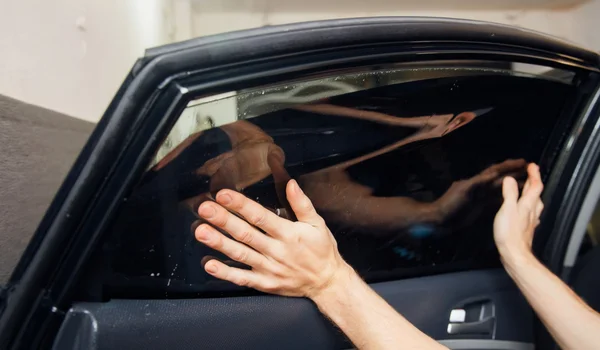
Louisiana measures window tint darkness by Visible Light Transmission (VLT) — the percentage of visible light the window plus tint allows through:
Passenger Cars (Sedans, Coupes)
- Front side windows (driver + passenger): Must allow at least 25% of light in (new law effective August 1, 2025).
- Rear side windows (back seats): Also at least 25% VLT.
- Rear windshield (back glass): At least 12% VLT.
- Windshield: Tint is mostly not allowed except a non-reflective strip at the top (up to 5 inches down or the AS-1 line).
👉 Lower VLT numbers mean darker tint. So 25% is darker than 40%, and 12% is very dark but still legal on the back window for a passenger car.
👉 The updated rule of 25% on front side windows replaced the older 40% rule as of August 1, 2025 — a major change for drivers who like darker tint.
Bigger Vehicles — SUVs, Vans & Trucks
Louisiana draws a distinction between standard passenger cars and multi-purpose vehicles (MPVs):
- SUVs, vans, pickup trucks, motor homes, etc., may have no VLT restriction on rear windows and the rear windshield — meaning very dark tint is allowed in those areas.
- However, front side windows still must meet the 25% VLT minimum.
This difference recognizes that many trucks and SUVs have rear cargo areas where visibility isn’t as critical for driver safety.
Reflectivity & Tint Color Rules
Louisiana doesn’t just control how dark your tint can be — it also regulates reflectivity and color:
- Reflectivity cap: Tint on any window must not have more than 20% luminous reflectance — meaning it shouldn’t be too “mirror-like” or shiny.
- Color limitations: On the front windshield and front side windows, tint must not alter the color of the light transmission. Only smoke (black/gray) tint is permitted in these areas.
This prevents unusual tint colors (like red or amber) that could distract or blind other drivers and law enforcement.
Labels & Certification — Don’t Skip This
Louisiana law requires that all legal tint films be certified. That means:
- The installer places a small label (no more than 1½ inches square) between the tint and the glass on the lower right corner of the driver’s side window.
- This label should include the installer’s name and city, proving the film meets Louisiana’s legal specs.
- If your tint is the right darkness but lacks a proper certification label, you could still be cited.
Medical Tint Exemptions
Louisiana offers a medical window tint exemption — but it’s not automatic. If someone in the household has a qualifying condition (like extreme sun sensitivity), they must:
- Obtain an affidavit signed by a licensed physician or optometrist,
- Submit it to the Louisiana Office of Motor Vehicles or Louisiana State Police,
- Keep the exemption document in the vehicle at all times.
This allows darker tint than normally permitted, but it’s vehicle-specific and the paperwork must be carried and available for inspection.
Enforcement & Penalties
Louisiana takes tint compliance seriously. Here’s what drivers and legal professionals should know:
📍 Penalties for Illegal Tint
- First offense: Up to $150 fine.
- Second offense: Around $250.
- Third & subsequent offenses: About $350+.
Courts may also assess court costs on top of fines.
🧑✈️ Traffic Stops
- Enforcement officers use an approved tint meter to measure VLT on the roadside.
- In many jurisdictions, tint violations can be written without causing a major stop, but non-compliance can lead to fines or orders to remove or correct the film.
🔁 Repeat Violations
Repeat offenders may end up with larger fines, and persistent non-compliance might affect vehicle inspection or registration status until corrected.
For legal professionals: ensure that when advising clients, you consider not just fines but how the violation might influence other traffic issues or insurance risk profiles.
Typical Situations You’ll Encounter on the Road
Here are common real-life scenarios and how the law applies:
🚗 Scenario 1: Dark Tints on a Sedan
A classic sedan with 15% tint everywhere except windshield:
- Front side windows: Illegal — must be at least 25%.
- Rear windows & rear windshield: Illegal if below 25% and 12% respectively.
Driver gets a citation and must either lighten the tint or face fines and potential re-inspection.
🚙 Scenario 2: SUV With Dark Rear Tint
An SUV owner wants privacy on the rear windows:
- Front side windows: Must still meet the 25% minimum.
- Rear side & rear window: Law allows any darkness on many SUVs (as multi-purpose vehicles).
This flexibility is unique to larger vehicles. Legal professionals should verify vehicle classification before advising.
🏥 Scenario 3: Medical Tint Needs
A driver with lupus needs darker tint to protect from UV:
- The doctor provides a signed affidavit,
- Tint installer applies darker film,
- Driver keeps the exemption document in the car.
If stopped, the driver shows the exemption instead of a ticket.
Why Court Cases & Legal Advice Matter
For lawyers advising clients or handling cases involving tint violations:
- Check the VLT measurement method — improper meters or misreadings can be challenged.
- Verify certification labels — absence or incorrect labels are common defense angles.
- Separate civil penalties from safety liability — illegal tint can sometimes factor into crash fault or insurance claims if visibility was a contributing factor.
- Understand exemptions — medical and certain law-enforcement exemptions exist but have strict documentation rules.
Practical Tips for Everyday Drivers
Here are simple ways to stay legal and safe:
✔ Know your vehicle type. Sedans and SUVs have different rear tint rules.
✔ Ask for the installer’s label. Don’t leave without the certification stuck in place.
✔ Check tint meters before you leave the shop. Some shops measure for you.
✔ Keep medical exemption docs handy if applicable.
✔ Remember reflectivity rules. Too shiny is as illegal as too dark.
Final Thoughts
Louisiana’s window tint laws are detailed and changing — especially with the recent front tint light transmission update effective August 1, 2025. Tint can offer comfort and style, but knowing the legal boundaries keeps you off the ticket docket and on the road safely.
About the Author