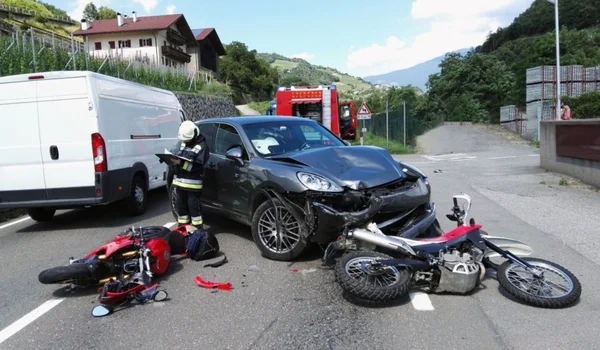
On March 20, 2025, a 21-year-old motorcyclist from Seaside, California, tragically lost his life in a collision on Interstate 5 in San Diego County. The victim, identified by the San Diego County coroner as Ivan Isaiah Johnson, died at the scene after his motorcycle was involved in a crash with a Nissan SUV on the freeway just north of the Pacific Highway off-ramp.
This incident highlights broader patterns in motorcycle safety, the legal and investigative processes after fatal traffic collisions, and the emotional toll on families and communities. Below, we unpack the facts of the accident, the typical legal aftermath, safety issues on California freeways, and what victims’ families and legal professionals should know.
The Crash: What Happened to Ivan Johnson
According to official reports:
- The collision occurred around 5:55 p.m. on Interstate 5 near Pacific Highway in San Diego.
- Ivan Isaiah Johnson, 21, of Seaside, was riding a Kawasaki motorcycle southbound when the crash happened.
- He died at the scene of the collision, as confirmed by the San Diego County Medical Examiner’s Office.
At this early stage, public reports did not detail precisely how the vehicles interacted—whether the car moved into Johnson’s path, whether speed or distraction played a role, or whether roadway or environmental factors were involved. However, the basic causal fact is that a motorcycle-SUV collision on a major freeway resulted in the motorcyclist’s death, a scenario that sadly occurs too frequently on American roads.
For context, this crash was reported as one of several traffic fatalities in the San Diego area over the same period, where multiple serious collisions resulted in deaths involving different types of road users.
Motorcycle Safety in California: A Broader Look
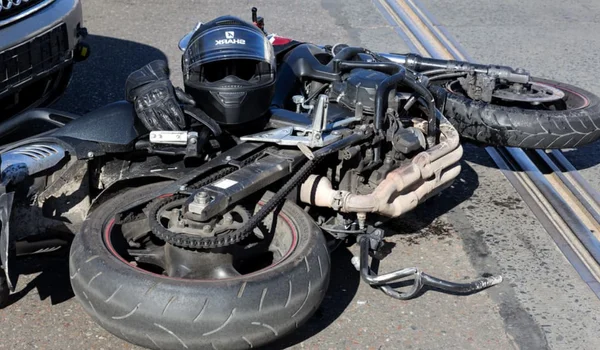
Motorcycles occupy a unique and vulnerable space on the road. They are smaller than cars, lack protective housings, and depend significantly on operator skill, visibility, and roadway conditions. National and state data show that:
- Motorcyclists are several times more likely to be killed per mile traveled than occupants of passenger vehicles, a trend consistent across decades of traffic safety research.
- California’s mix of freeways, urban intersections, and rural backroads creates many environments where motorcycles and larger vehicles share space—sometimes with tragic results.
Even without detailed public data on this specific crash’s cause, several common risk factors in California corridors like I-5 may apply:
- Visibility and Blind Spots
Drivers entering or crossing freeway lanes may overlook smaller motorcycles in adjacent lanes.
- Speed Differentials
Freeways like I-5 frequently carry high-speed traffic. In collisions between high-speed vehicles and motorcyclists, even a relatively low-impact contact can lead to fatal outcomes.
- Distracted or Impaired Driving
Distracted driving and impaired driving remain persistent causes of severe crashes across California.
Without official CHP (California Highway Patrol) analysis or a police report, we can’t definitively assign cause in the Johnson case, but these factors are often central in fatal motorcycle collisions.
Investigation and Legal Processes After a Fatal Motorcycle Crash
When a collision on a freeway results in a death, several investigative and legal steps typically follow:
- Traffic Collision Investigation
The California Highway Patrol (CHP) or local law enforcement will conduct an on-scene investigation. They gather:
- Evidence from the roadway,
- Vehicle positions and speeds,
- Witness statements,
- Any surveillance or dashcam footage.
- Medical Examiner’s Report
The coroner’s office confirms the identity of the deceased and determines the medical cause of death, which is crucial for crash reports and any future litigation.
- Fault and Liability
Liability in traffic collisions depends on evidence. Investigators evaluate whether any driver violated traffic laws, such as:
- Failing to yield,
- Speeding,
- Driving under the influence,
- Unsafe lane changes.
If negligence by another driver is suspected, a family’s attorney may pursue damages for wrongful death.
- Insurance Claims
Even when a victim is at fault, motorcyclists or their families can file claims with:
- Their own insurance (depending on coverage),
- The at-fault driver’s insurer,
- Uninsured/underinsured motorist coverage, if applicable.
Understanding the interplay between fault, policy limits, and state law is where automotive law expertise becomes essential.
Motorcycle Accident Risks: Everyday vs Legal Perspectives
For Everyday Riders and Drivers
This sad crash reminds us of a few everyday safety points:
- Always assume riders are closer than they look. Motorcycles can pass through blind spots quickly.
- Give ample space and time when merging or changing lanes. Split-second decisions can have life-changing consequences.
- Protective gear matters. Helmets and protective clothing don’t guarantee survival but can significantly reduce injury severity.
Motorcyclists also benefit from defensive riding skills, including scanning intersections, adjusting speed for conditions, and anticipating other drivers’ blind spots.
For Law Practices
Attorneys handling cases like the Johnson accident should consider:
- Thorough evidence collection: Crash scene data, witness statements, toxicology reports.
- Investigative resources: Working with reconstruction experts when liability is contested.
- Settlement strategy: Understanding how grief, economic loss, and punitive components may affect potential claims.
Lawyers also must counsel families on navigating both insurance claims and possible litigation, including timelines and statutory limitations in California.
California is a comparative negligence state. This means that if the motorcyclist shared any responsibility for the crash, any compensation award could be reduced proportionally. This fact is vital in advising clients effectively.
The Human Toll: Beyond the Crash Report
Behind every headline and coroner’s report is a life cut short. At 21, Ivan Johnson’s death echoes a pattern seen across the country, where young motorcyclists riding in heavy traffic environments are especially at risk.
Friends, family, and community members often experience:
- Emotional trauma and grief,
- Sudden financial hardship,
- Long-term impact on dependents, especially when the victim was a primary caregiver or breadwinner.
Legal professionals must integrate emotional intelligence into their client interactions, recognizing that legal advice often comes amid grief and shock.
General Motorcycle Safety and Legal Insight
Even when details of fault in a specific case like Johnson’s are limited in public reporting, some principles still apply:
- Investigate Cause Thoroughly
A crash between a motorcycle and an SUV can involve complex causation—not just crossing paths. Data from collision reconstruction helps determine factors like speed, vehicle trajectory, and brake use.
- Understand California Law
California vehicle and insurance law affect:
- Statute of limitations for personal injury and wrongful death claims,
- Proposition 213 (impacting uninsured motorist claims),
- Comparative fault rules.
Professionals should help clients understand how these legal standards shape case options.
- Recognize Common Collision Patterns
Statistically, many serious motorcycle crashes involve:
- Left-turning vehicles cutting off motorcycles,
- Lane changes without adequate signal checks,
- Rear-end collisions in slowing traffic.
While we do not have official fault details for Johnson’s crash, understanding frequent collision types helps interpret likely scenarios.
Conclusion: Remembering the Rider and Learning the Lessons
The fatal motorcycle accident that claimed Ivan Isaiah Johnson’s life is a sobering reminder of the dangers motorcycles face on high-speed freeways like Interstate 5.
For everyday road users—both riders and drivers—it highlights the critical importance of shared responsibility, awareness, and defensive behavior. For legal professionals, it underscores the need for detailed investigation, sound legal strategy, and compassionate client communication when navigating the aftermath of fatal traffic collisions.
Crashes like these ripple outward: they affect families, reshape legal cases, and reinforce the urgency of improving road safety for all.
About the Author