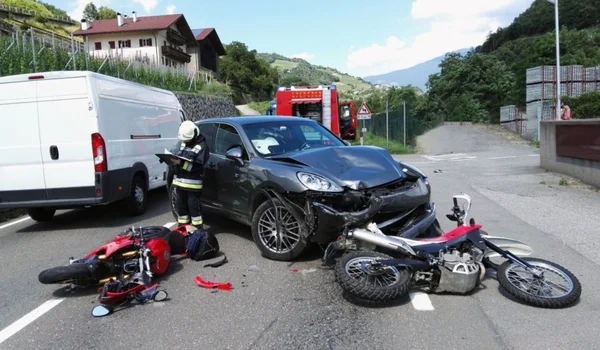
A motorcycle accident can change your life in seconds. Unlike car drivers, motorcyclists have little protection, which means injuries are often severe, recovery is longer, and legal and insurance issues can become complicated very quickly.
If you’ve been in a motorcycle accident—or if someone you love has—knowing what to do next can make a major difference in your health, finances, and legal rights.
This guide explains what to do after a motorcycle accident, step by step, using clear, easy-to-understand language, without heavy legal jargon. It’s written to help everyday riders make smart decisions and to give law practices a solid educational resource for clients.
Step 1: Get to Safety and Check for Injuries

Your safety comes first.
If you are conscious and able to move:
- Try to get yourself out of traffic
- Turn off your motorcycle if possible
- Call 911 immediately
Even if injuries don’t seem serious, motorcycle crashes often cause hidden injuries like internal bleeding, concussions, or spinal trauma.
If you are seriously hurt:
- Do not try to stand or remove your helmet
- Wait for emergency responders
Step 2: Call the Police and Request an Official Report
Always call the police after a motorcycle accident, even if it seems minor.
Why a Police Report Is Important
- Creates an official record of the crash
- Documents vehicle positions, road conditions, and statements
- Helps establish fault later
- Is often required by insurance companies
Without a police report, it becomes much harder to prove what really happened.
Step 3: Get Medical Attention Immediately
Motorcyclists are especially vulnerable to injuries that don’t show symptoms right away.
You should seek medical care:
- At the scene if EMTs recommend it
- At an emergency room or urgent care the same day
- Even if you feel “okay” at first
Medical records:
- Protect your health
- Connect your injuries directly to the accident
- Prevent insurance companies from arguing your injuries came from somewhere else
Delaying medical care is one of the biggest mistakes riders make.
Step 4: Exchange Information—But Be Careful What You Say
You must exchange basic information with the other driver.
Information to Collect
- Name and contact details
- Driver’s license number
- Insurance company and policy number
- Vehicle make, model, and license plate
What NOT to Say
- Don’t apologize
- Don’t admit fault
- Don’t argue or speculate
Even polite comments like “I didn’t see you” can later be used against you.
Step 5: Document the Accident Scene
If you are physically able, document everything.
Take Photos and Videos of:
- Damage to all vehicles
- Your motorcycle from multiple angles
- Skid marks, debris, and road conditions
- Traffic signs or signals
- Your injuries
- The overall accident scene
Motorcycle accidents often involve disputes about speed, lane position, and visibility. Photos can be powerful evidence.
Step 6: Get Witness Information
Independent witnesses can make a huge difference.
If anyone saw the accident:
- Get their name and phone number
- Ask what they observed, if they’re willing
Witness statements often help prove that the motorcyclist was riding responsibly.
Step 7: Notify Your Insurance Company
Even if the accident was not your fault, you should notify your own insurance company as soon as possible.
Important Tips
- Stick to basic facts
- Don’t guess or speculate
- Don’t give a recorded statement without understanding your rights
Some policies require prompt reporting, so don’t delay.
Step 8: Be Cautious With the Other Driver’s Insurance Company
You may receive a call from the other driver’s insurance adjuster.
Remember:
- They work for the insurance company, not you
- You are not required to give a recorded statement
- Early settlement offers are often low
Motorcycle claims are frequently undervalued, especially when injuries take time to fully develop.
Step 9: Keep All Records and Expenses
Start a dedicated file for your accident.
Save:
- Medical bills and records
- Prescription costs
- Repair estimates
- Towing and storage receipts
- Lost wage documentation
- Emails and letters from insurance companies
Detailed records strengthen your claim and reduce disputes.
Step 10: Understand Why Motorcycle Accident Claims Are Different
Motorcycle accidents are treated differently than car accidents by insurance companies and sometimes by the legal system.
Common challenges include:
- Bias that riders are “risk-takers”
- Claims that the motorcycle was hard to see
- Arguments about speed or helmet use
- More serious injuries leading to higher claim values (and more resistance from insurers)
This is why motorcycle accident cases often require more documentation and stronger legal strategy.
Step 11: Know When to Contact a Motorcycle Accident Lawyer
Not every accident requires a lawyer, but you should strongly consider legal help if:
- You were seriously injured
- Fault is disputed
- The insurance company delays or denies payment
- You’re pressured to settle quickly
- The accident involved a commercial vehicle or rideshare
- A loved one was killed in a motorcycle accident
A lawyer can:
- Handle insurance communications
- Investigate fault
- Calculate full damages
- Protect you from unfair blame
Step 12: Understanding Fault and Comparative Negligence
Most states use some form of comparative negligence, meaning:
- Fault can be shared
- Your compensation may be reduced if you are partly at fault
Insurance companies often try to assign extra blame to motorcyclists to reduce payouts. Proper evidence and legal guidance are critical.
Step 13: Helmet Laws and Injury Claims
Helmet laws vary by state.
Even in states where helmets are optional for adults:
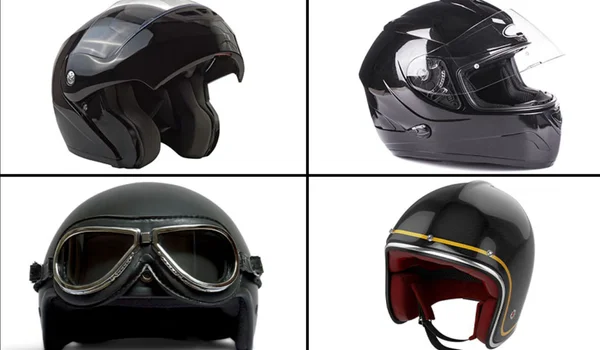
- Insurance companies may argue injuries were worse without one
- This does not automatically prevent compensation
Helmet use is just one factor among many in determining damages.
Step 14: Wrongful Death After a Motorcycle Accident
If a motorcycle accident results in death, surviving family members may be able to file a wrongful death claim.
These claims may include:
- Funeral and burial costs
- Loss of financial support
- Loss of companionship
- Emotional suffering
Strict deadlines apply, and legal guidance is especially important in these cases.
Common Mistakes to Avoid After a Motorcycle Accident
- Leaving the scene early
- Skipping medical care
- Admitting fault
- Posting about the accident on social media
- Accepting a settlement too quickly
- Waiting too long to seek legal advice
Small mistakes can seriously hurt a valid claim.
A Simple Motorcycle Accident Checklist
✔ Call 911
✔ Get medical help
✔ File a police report
✔ Take photos and videos
✔ Get witness info
✔ Notify your insurer
✔ Keep all records
✔ Consider legal advice
Why This Guide Matters
For riders, knowing what to do after a motorcycle accident can:
- Protect your health
- Preserve your legal rights
- Improve your chances of fair compensation
For law practices, clear guidance helps:
- Educate clients
- Improve case outcomes
- Build trust during difficult moments
Final Thoughts
A motorcycle accident is overwhelming, painful, and often life-altering. But the steps you take after the crash can shape your recovery and your future.
Act quickly, document everything, protect your health, and don’t hesitate to seek professional guidance when needed. Whether you’re an injured rider or a family member trying to help, informed decisions make all the difference.
About the Author