Motorcycling is a way of life for many Texans. With wide-open highways, long riding seasons, and a strong motorcycle culture, Texas sees thousands of riders on the road every day. But with that freedom comes risk—and one of the most commonly misunderstood topics is Texas motorcycle helmet laws.
Do you have to wear a helmet in Texas? Who is exempt? What kind of helmet is legal? And how does helmet use affect accident claims and lawsuits?
This article answers all of those questions in clear, simple language. It’s written for everyday riders and families who want to stay legal and safe, and for law practices that handle motorcycle accident cases across Texas.
The Big Question: Are Helmets Required for Motorcyclists in Texas?
The short answer is: sometimes.
Texas does not have a universal helmet law for all riders. Instead, Texas uses a partial helmet law, meaning helmet requirements depend on a rider’s age and insurance status.
Texas Motorcycle Helmet Law
Under Texas law:
- Riders under 21 years old must wear a helmet
- Riders 21 and older may ride without a helmet only if they meet specific requirements
This creates two distinct groups of riders under the law.
Helmet Requirements for Riders Under 21
If you are under 21 years old, the law is very clear:
- You must wear a helmet
- There are no exceptions
- The helmet must meet approved safety standards
Failure to comply can result in a traffic citation and other consequences.
Helmet Rules for Riders 21 and Older
If you are 21 or older, you may legally ride without a helmet only if you meet one of the following conditions:
- You carry at least $10,000 in medical insurance coverage, or
- You have completed an approved motorcycle safety course
If you meet either requirement, helmet use becomes optional—but not irrelevant.
What Happens If You Don’t Meet the Requirements?
If you are 21 or older and:
- You don’t have sufficient medical insurance, and
- You haven’t completed an approved safety course
Then you are required by law to wear a helmet.
Riding without a helmet in this situation can lead to:
- A traffic citation
- Fines and court costs
- Complications after an accident
What Kind of Helmet Is Legal in Texas?
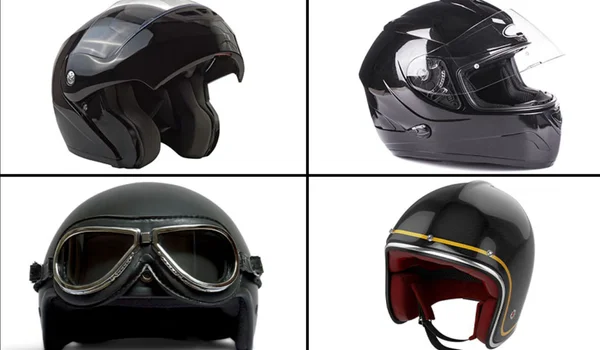
Not all helmets are created equal. Texas requires helmets to meet specific safety standards.
A legal motorcycle helmet must:
- Be approved by the U.S. Department of Transportation (DOT)
- Fit properly and securely
- Be in good condition (no major cracks or damage)
Novelty helmets, half-shell helmets without DOT approval, or decorative helmets may not meet legal requirements—even if they look like helmets.
How Law Enforcement Enforces Helmet Laws in Texas
Texas law enforcement officers may stop a rider if they believe helmet laws are being violated.
In practice:
- Riders under 21 without helmets are likely to be stopped
- Riders over 21 may be questioned about insurance or safety course completion
- Officers may issue citations if proof is not provided
While officers don’t always require riders to carry proof of insurance coverage specifically for helmet exemption, disputes can arise during traffic stops or accident investigations.
Penalties for Violating Texas Motorcycle Helmet Laws
Violating helmet laws usually results in:
- A traffic ticket
- A fine
- Possible court costs
Helmet violations are generally non-criminal offenses, but ignoring citations can lead to additional penalties.
Why Helmet Laws Matter After a Motorcycle Accident
Helmet use plays a major role in motorcycle accident claims and lawsuits, even when helmet use was legally optional.
Medical Impact
Helmets significantly reduce the risk of:
- Traumatic brain injuries
- Skull fractures
- Fatal head injuries
Injury severity directly affects compensation amounts.
Helmet Laws and Fault in Texas Motorcycle Accidents
Texas follows a modified comparative negligence system.
This means:
- You can recover damages if you are 50% or less at fault
- Your compensation is reduced by your percentage of fault
Helmet use can influence how fault is argued—even if riding without a helmet was legal.
Can Not Wearing a Helmet Hurt Your Accident Claim?
Yes, it can—but it does not automatically eliminate your claim.
Insurance companies may argue:
- Injuries were worse because a helmet was not worn
- The rider failed to take reasonable safety precautions
This is sometimes referred to as the “helmet defense.”
However:
- Not wearing a helmet does not cause an accident
- It may only affect damages related to head injuries
- Other injuries (broken bones, spinal injuries, internal injuries) are still compensable
Helmet Laws and Wrongful Death Claims in Texas
In fatal motorcycle accidents, helmet use is often a major focus.
Families may still pursue a wrongful death claim even if:
- The rider was not wearing a helmet
- Helmet use was optional under the law
Courts often look at:
- Who caused the accident
- Whether helmet use would have prevented death
- The overall facts of the crash
Helmet use is a factor—but not the whole case.
Motorcycle Passengers and Helmet Laws
Texas helmet laws apply to both riders and passengers.
- Passengers under 21 must wear helmets
- Passengers 21 and older follow the same exemption rules as riders
A driver can be cited if a passenger under 21 is not wearing a helmet.
Do Out-of-State Riders Have to Follow Texas Helmet Laws?
Yes.
If you are riding in Texas:
- Texas motorcycle helmet laws apply
- Your home state’s rules do not override Texas law
Out-of-state riders should understand Texas requirements before riding.
Common Myths About Texas Motorcycle Helmet Laws
Myth: Helmets are never required in Texas
Truth: They are required for riders under 21 and some riders over 21
Myth: Any helmet is legal
Truth: Helmets must meet DOT standards
Myth: Riding without a helmet makes you automatically at fault
Truth: Fault depends on who caused the accident
Why Helmet Laws Matter to Law Practices
For attorneys, helmet laws often arise in:
- Motorcycle accident litigation
- Insurance disputes
- Personal injury cases
- Wrongful death claims
Understanding how helmet laws interact with negligence and damages is essential to building strong cases.
Safety vs. Freedom: The Ongoing Debate in Texas
Texas helmet laws reflect a balance between:
- Personal freedom
- Public safety
- Healthcare costs
- Individual responsibility
While the law allows some riders to choose not to wear helmets, the safety benefits of helmet use remain clear.
Best Practices for Texas Motorcyclists
Even when helmet use is optional, riders should consider:
- Wearing a DOT-approved helmet at all times
- Keeping proof of insurance or safety course completion
- Understanding how helmet decisions affect legal claims
- Prioritizing safety over convenience or appearance
Final Thoughts
Texas motorcycle helmet laws are often misunderstood, but the rules are clearer than many people think. Helmets are mandatory for riders under 21 and optional for some riders over 21 who meet specific requirements. However, legal permission does not eliminate legal consequences—especially after an accident.
For everyday riders, understanding helmet laws helps avoid tickets and protect health. For law practices, helmet use can significantly affect liability, damages, and case strategy.
Knowing the law—and the risks—helps everyone make better decisions on Texas roads.
About the Author