Motorcycling is a popular way to travel Wisconsin’s highways, scenic backroads, and city streets. From weekend rides along Lake Michigan to daily commuting in Milwaukee or Madison, motorcycles are a common sight. With that popularity comes an important legal question many riders ask:
What is the Wisconsin motorcycle helmet law?
The answer is more straightforward than in many states, but the legal and practical consequences are still significant—especially after a motorcycle accident. This article explains Wisconsin’s motorcycle helmet law in simple terms, covers how it affects traffic stops and insurance claims, and explores why helmet use still matters even when the law doesn’t require it.
This guide is written for everyday riders and families who want clarity, and for law practices that handle motorcycle accident and injury cases in Wisconsin.
The Short Answer: Does Wisconsin Require Motorcycle Helmets?
Wisconsin does not require all motorcyclists to wear helmets.
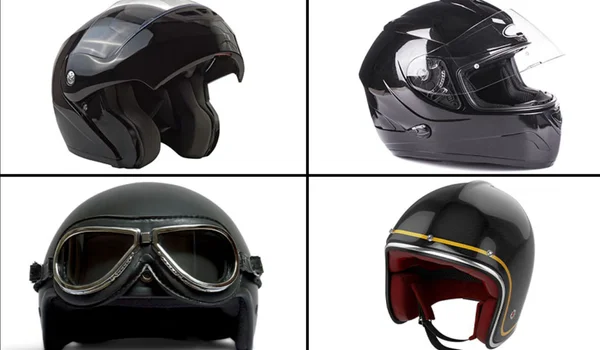
Unlike states with universal helmet laws, Wisconsin has a limited helmet requirement that applies only to certain riders. For many adults, wearing a helmet is a personal choice—not a legal obligation.
However, “not required” does not mean “not important,” especially when accidents and injury claims are involved.
Wisconsin Motorcycle Helmet Law Explained Simply
Under Wisconsin law:
- Riders under the age of 18 must wear a helmet
- Riders 18 and older are not required to wear a helmet
- Instruction permit holders must wear a helmet
- Passengers under 18 must wear a helmet
These rules apply whether you are riding as the driver or as a passenger.
Helmet Rules for Riders Under 18
If you are under 18 years old, Wisconsin law is strict:
- You must wear a helmet at all times while riding or being a passenger
- There are no exceptions
- The helmet must meet safety standards
Parents or guardians can also face consequences if a minor is riding without a helmet.
Helmet Rules for Riders 18 and Older
If you are 18 or older, Wisconsin law allows you to ride without a helmet.
There is:
- No insurance requirement tied to helmet use
- No safety course requirement to ride helmet-free
- No special exemption paperwork needed
This makes Wisconsin one of the states with more rider freedom when it comes to helmet use.
Helmet Rules for Instruction Permit Holders
Wisconsin requires any rider with an instruction permit, regardless of age, to wear a helmet.
This rule exists because:
- New riders are at higher risk of accidents
- Helmet use is considered a basic safety requirement during training
Once a full motorcycle license is obtained and the rider is 18 or older, helmet use becomes optional under the law.
What Kind of Helmet Is Legal in Wisconsin?
When helmets are required, they must meet safety standards.
A legal helmet must:
- Meet U.S. Department of Transportation (DOT) standards
- Fit securely
- Be in good condition
- Be properly fastened
Novelty helmets or decorative headgear do not count as legal helmets, even if they resemble real ones.
Can You Be Pulled Over for Not Wearing a Helmet in Wisconsin?
It depends on your age and license status.
- Riders under 18 can be stopped for riding without a helmet
- Instruction permit holders can be stopped for riding helmet-free
- Riders 18 or older with a full license generally cannot be stopped solely for not wearing a helmet
However, if law enforcement is unsure of a rider’s age or license status, a stop may still occur.
Penalties for Violating Wisconsin Helmet Laws
Violating helmet laws can result in:
- A traffic citation
- Fines
- Court costs
- Potential consequences for parents of underage riders
Helmet violations are usually non-criminal, but repeated violations or ignored tickets can lead to more serious issues.
Why Helmet Laws Matter After a Motorcycle Accident
Even though helmets are optional for many riders, helmet use plays a major role in accident investigations, insurance claims, and lawsuits.
Medical Impact of Helmet Use
Helmets significantly reduce the risk of:
- Traumatic brain injuries
- Skull fractures
- Fatal head trauma
Injury severity directly affects the value of an injury claim.
Wisconsin’s Negligence Rules and Helmet Use
Wisconsin follows a comparative negligence system.
This means:
- You can recover compensation if you are 50% or less at fault
- Your compensation is reduced by your percentage of fault
Helmet use can influence how fault and damages are argued, even though riding without a helmet is legal.
Can Not Wearing a Helmet Hurt a Wisconsin Motorcycle Accident Claim?
Yes—but it does not automatically destroy your case.
Insurance companies may argue:
- Head injuries were worse because a helmet was not worn
- The rider failed to protect themselves
However:
- Not wearing a helmet does not cause an accident
- Fault still depends on who caused the crash
- Non-head injuries remain fully compensable
Courts often limit helmet-related arguments to head and brain injuries, not the entire claim.
The “Helmet Defense” in Wisconsin Motorcycle Cases
The “helmet defense” is when insurers or defendants argue that damages should be reduced because a helmet was not worn.
In Wisconsin:
- This defense may be raised
- It does not automatically bar recovery
- It must be supported by medical evidence
Helmet use becomes one factor—not the deciding factor.
Helmet Laws and Wrongful Death Claims in Wisconsin
In fatal motorcycle accidents, helmet use is often closely examined.
Families may still pursue wrongful death claims even if:
- The rider was not wearing a helmet
- Helmet use was legal
Courts consider:
- Who caused the accident
- Whether helmet use would have prevented death
- The full circumstances of the crash
Helmet use alone does not determine liability.
Motorcycle Passengers and Helmet Requirements
Wisconsin helmet laws apply to passengers as well:
- Passengers under 18 must wear helmets
- Passengers 18 and older may ride without helmets
- Permit-related rules apply to passengers as well
Drivers may be cited if they allow a minor passenger to ride without a helmet.
Do Out-of-State Riders Have to Follow Wisconsin Helmet Laws?
Yes.
If you are riding in Wisconsin:
- Wisconsin helmet laws apply
- Your home state’s rules do not override local law
Out-of-state riders under 18 or riding on permits must comply.
Common Myths About Wisconsin Motorcycle Helmet Law
Myth: Helmets are never required in Wisconsin
Truth: They are required for minors and permit holders
Myth: Riding without a helmet makes you automatically at fault
Truth: Fault depends on who caused the crash
Myth: Any helmet is legal
Truth: Helmets must meet DOT standards when required
Safety vs. Freedom: Wisconsin’s Policy Choice
Wisconsin’s helmet law reflects a balance between:
- Personal freedom
- Individual responsibility
- Public safety concerns
While the law allows adult riders to choose, safety data consistently shows helmets save lives.
Why Helmet Laws Matter to Wisconsin Law Practices
For attorneys, helmet laws often appear in:
- Motorcycle accident litigation
- Insurance negotiations
- Comparative negligence arguments
- Wrongful death cases
Understanding how helmet laws affect damages and defenses is critical for effective representation.
Best Practices for Wisconsin Motorcyclists
Even when helmets are optional, riders should consider:
- Wearing a DOT-approved helmet at all times
- Protecting themselves from head injuries
- Understanding how helmet choices affect claims
- Prioritizing long-term safety over short-term comfort
Final Thoughts
The Wisconsin motorcycle helmet law gives adult riders significant freedom—but that freedom comes with responsibility. Helmets are mandatory for minors and permit holders, and optional for many adults. However, helmet decisions can still have serious medical, financial, and legal consequences after an accident.
For everyday riders, understanding the law helps avoid tickets and protect health. For legal professionals, helmet use can influence liability, damages, and case strategy. Knowing how Wisconsin’s helmet law works is essential for anyone who rides—or represents someone who does.
About the Author