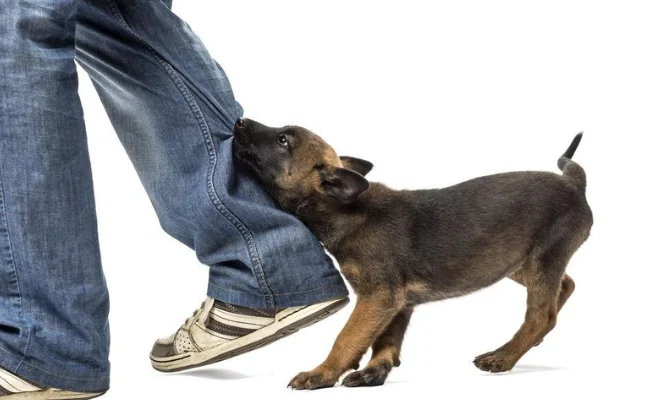
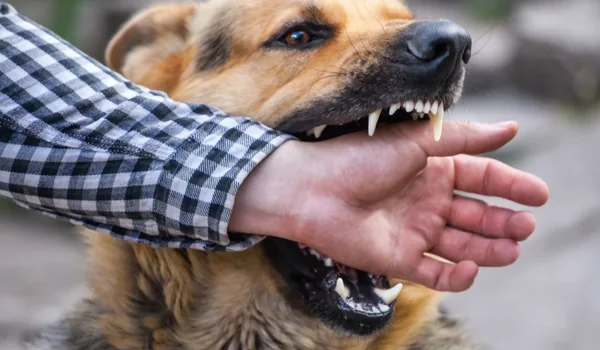
Dog bites can be frightening, painful, and sometimes life-changing. While many dogs are friendly and well-trained, accidents still happen when an animal becomes aggressive or when an owner fails to properly control their pet. In these situations, victims may have the right to file dog bite injury claims to recover compensation for the harm they suffered.
Understanding how dog bite injury claims work can help victims protect their rights and take the right steps after an attack. This guide explains what dog bite claims are, how they work in the United States, and what victims can do to improve their chances of receiving fair compensation.
Understanding Dog Bite Injuries

Dog bites are more common than many people realize. Every year in the United States, millions of people are bitten by dogs, and many require medical attention.
Some attacks result in minor injuries, but others can cause serious physical and emotional damage.
Common injuries caused by dog bites include:
- Deep puncture wounds
- Torn skin and muscle tissue
- Nerve damage
- Broken bones from falls during an attack
- Infections such as rabies or bacterial infections
- Permanent scars or disfigurement
- Emotional trauma and fear of animals
Children are especially vulnerable to severe injuries because they are smaller and often bitten on the face, neck, or upper body.
Even a bite that looks minor can lead to complications such as infection, so medical attention should always be the first step after a dog attack.
What Are Dog Bite Injury Claims?
A dog bite injury claim is a legal request for compensation made by someone who was injured by a dog. The claim is usually filed against the dog owner or their insurance company.
The purpose of the claim is to help the injured person recover financial losses and damages caused by the attack.
These claims typically fall under personal injury law, which deals with injuries caused by someone else’s negligence or failure to act responsibly.
Dog bite injury claims can involve situations such as:
- A dog attacking someone in a public place
- A neighbor’s dog biting a visitor
- An unleashed dog injuring someone in a park
- A delivery worker being attacked while performing their job
- A child being bitten while playing near a dog
When the dog owner fails to control their pet, they may be legally responsible for the injuries.
Dog Bite Laws in the United States
Dog bite laws vary from state to state, but most states follow one of two main legal approaches.
Strict Liability Laws
Many states have strict liability laws for dog bites. Under these laws, the dog owner may be responsible for injuries caused by their dog even if the dog has never shown aggressive behavior before.
In strict liability states, victims usually only need to prove that:
- The dog bite occurred
- The bite caused injuries
- The victim was legally allowed to be in the location where the attack happened
This rule makes it easier for victims to file successful claims.
The One Bite Rule
Some states follow what is known as the one bite rule.
Under this rule, a dog owner may only be held responsible if they knew or should have known that their dog could be dangerous.
For example, if the dog had previously bitten someone or displayed aggressive behavior, the owner may be considered negligent for not preventing another attack.
Even in these states, owners can still be held responsible if they violated leash laws or other safety rules.
Who Can File a Dog Bite Injury Claim?
Anyone who has been injured by a dog may be able to file a claim. This includes:
- Adults who were bitten or attacked
- Children injured by a dog
- Workers such as delivery drivers or postal employees
- Visitors bitten while on someone’s property
In cases involving children, a parent or guardian usually files the claim on the child’s behalf.
Types of Compensation in Dog Bite Claims
Dog bite injuries can create significant financial and emotional challenges. A successful claim may help recover compensation for several types of damages.
Medical Expenses
Medical treatment is often the largest cost after a dog attack. Compensation may cover:
- Emergency room visits
- Hospital stays
- Surgery or stitches
- Medication and antibiotics
- Physical therapy
- Future medical treatment
Lost Wages
If the injury prevents someone from working during recovery, they may be able to recover the wages they lost.
In severe cases where the injury affects long-term employment, compensation may also include loss of future earning ability.
Pain and Suffering
Dog bites can cause severe physical pain and emotional distress. Compensation may be awarded to reflect how the injury has affected the victim’s daily life.
Scarring and Disfigurement
Permanent scars can have long-lasting emotional and psychological effects, especially when they appear on visible areas like the face or arms.
Courts often consider these impacts when determining compensation.
Emotional and Psychological Trauma
Many victims experience anxiety, nightmares, or fear of dogs after an attack. Therapy or counseling costs may also be included in a claim.
Evidence That Supports Dog Bite Injury Claims
Strong evidence is essential when filing a dog bite injury claim. The more proof available, the stronger the case may be.
Common evidence includes:
- Medical records and treatment reports
- Photos of injuries
- Witness statements
- Animal control reports
- Vaccination records for the dog
- Security camera footage if available
This evidence helps show how the attack happened and who is responsible.
What to Do After a Dog Bite
Taking the right steps after a dog bite can protect both your health and your legal rights.
If you are bitten by a dog, consider the following steps:
- Seek medical attention immediately, even if the injury seems small.
- Identify the dog and its owner if possible.
- Report the attack to local animal control or authorities.
- Take photos of your injuries and the scene of the attack.
- Collect contact information from witnesses.
- Keep records of medical bills and treatments.
- Avoid accepting quick settlement offers before understanding your legal rights.
These actions help create a clear record of the incident, which can strengthen your claim.
Dealing With Insurance Companies
Many dog bite injury claims are handled through the dog owner’s homeowner’s or renter’s insurance policy.
While insurance coverage can help pay for damages, insurance companies often try to reduce the amount they pay.
They may:
- Offer quick but low settlements
- Question the severity of the injury
- Try to shift blame onto the victim
Because of this, many victims choose to work with a personal injury lawyer who can negotiate with the insurance company on their behalf.
Time Limits for Filing Dog Bite Injury Claims
Every state has a statute of limitations, which is the legal deadline for filing a personal injury claim.
In many states, the time limit ranges from one to three years from the date of the dog bite.
If a claim is not filed before the deadline, the victim may lose the right to seek compensation.
Because these deadlines vary, it is important to act quickly after an injury.
When to Consider Hiring a Lawyer
While some minor dog bite cases may be resolved without legal help, many situations benefit from the guidance of an experienced attorney.
You may want to consult a lawyer if:
- The injury required medical treatment
- The victim suffered permanent scars
- The insurance company denies or undervalues the claim
- The attack involved a child
- The dog owner disputes responsibility
A lawyer can help investigate the incident, gather evidence, and negotiate for fair compensation.
Final Thoughts
Dog attacks can be traumatic experiences that leave victims dealing with physical injuries, emotional stress, and financial burdens. Filing dog bite injury claims allows victims to hold responsible parties accountable and recover compensation for the damages caused by the attack.
Dog owners have a responsibility to control their pets and prevent them from harming others. When they fail to do so, the law may allow injured individuals to seek justice and financial recovery.
If you or someone you love has been bitten by a dog, understanding how dog bite injury claims work can help you take the right steps toward healing and protecting your legal rights.
About the Author