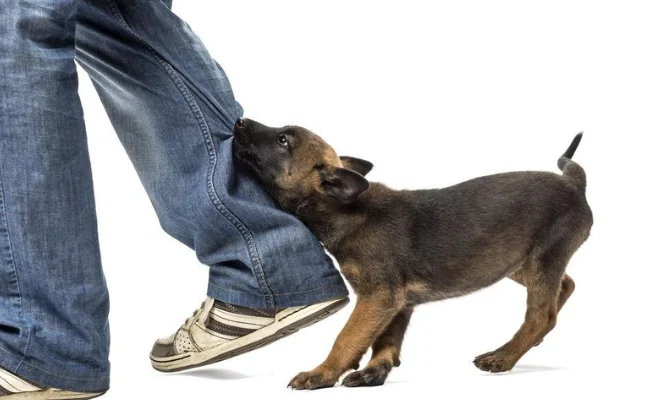
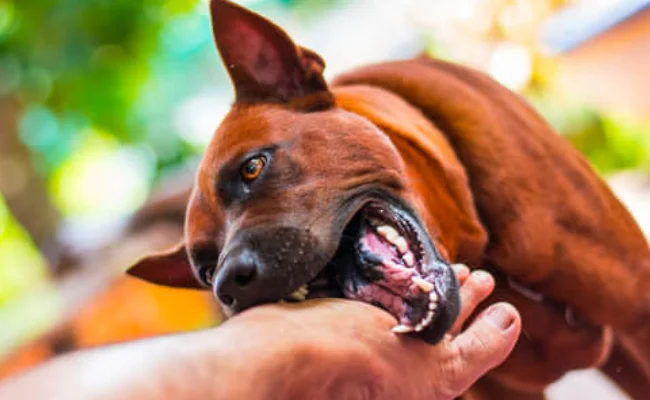
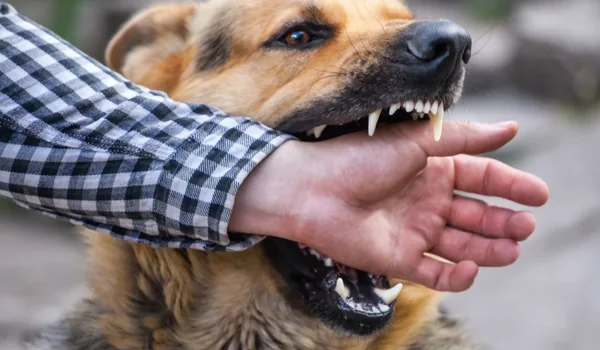
Dog bites and animal attacks can be frightening, painful, and costly. If you live in Alabama — or are a lawyer helping a client hurt by a dog — it’s important to understand how the law addresses these cases. Alabama has its own set of rules that determine when a dog owner can be held responsible for injuries. This guide breaks down Alabama dog bite laws in plain language, offers helpful examples, and gives legal context where useful.
What the Law Says: Owner Liability in Alabama
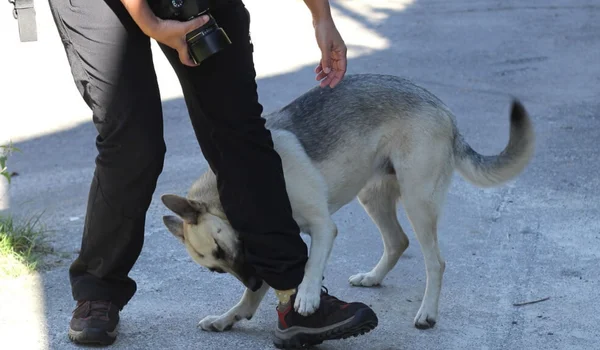
In Alabama, dog bite liability is governed mainly by Alabama Code § 3-6-1. The statute says that:
👉 If a dog bites or injures someone without provocation, and that person is in a place where they have a legal right to be, then the dog’s owner is liable for damages — but only if the bite or injury happened on the owner’s property (or if the dog pursues the person off that property while attacking).
Key Terms in Everyday Words
- Without provocation: The person bitten didn’t tease, hit, or wrongly interact with the dog before the bite.
- Legal right to be there: The victim wasn’t trespassing — they were either invited, had implied permission, or were on a public area with the right to be there.
- On the owner’s property: This means the dog owner’s land or any space they control when the bite happens.
For example:
- A guest at a homeowner’s backyard barbecue is bitten by the host’s dog — the owner can be liable.
- A postal worker delivering mail is injured by a dog on the owner’s porch — that’s another situation the statute covers.
Strict Liability — But With Boundaries
Alabama’s dog bite statute is often described as involving “strict liability” — meaning the owner can be responsible even if they didn’t act carelessly.
However, it’s not absolute:
📌 1. It generally only applies when the bite happens on (or originates from) the owner’s property. If a dog bites someone in a public park or on a sidewalk without pursuing them from the owner’s land, the statute as written may not automatically apply. In those cases, legal claims shift to different rules, like negligence or dangerous dog laws.
📌 2. The dog must act without provocation. If the person bitten egged on the dog or did something to trigger the dog’s defensive behavior, the owner’s liability might be reduced or avoided.
📌 3. Owners can sometimes mitigate damages. Under Alabama Code § 3-6-3, if the owner had no clue the dog was dangerous — meaning no history of aggression or signs of viciousness — they can argue for limited liability, often only for the victim’s actual out-of-pocket expenses rather than all losses.
What Happens If the Bite Occurs Off the Owner’s Property?
Alabama’s statute focuses mainly on bites on the owner’s property. But dog attacks don’t always happen there.
If the bite occurs on public land or another private property:
- Victims can still pursue common law negligence claims against the owner. This means showing the owner knew or reasonably should have known the dog was dangerous and failed to take reasonable steps to prevent harm.
- This “negligence” path is similar to the old-fashioned “one bite rule” used in many states, but in Alabama it usually applies when the statutory claim doesn’t fit.
For example:
- A dog runs off its owner’s property and bites a jogger on a public trail — liability then depends on what the owner knew about the dog’s aggressive tendencies.
What Kind of Compensation Can Victims Seek?
If a dog bite victim has a valid claim under Alabama law, they may be able to recover:
Economic Damages
- Medical treatment (emergency care, surgeries, hospital bills)
- Rehabilitation and therapy
- Lost wages if recovery kept them from working
Non-Economic Damages
- Pain and suffering
- Emotional distress
- Scarring or disfigurement
Whether these damages are available can vary based on the path to liability (statute vs. negligence) and the specifics of the case.
When the Owner’s Insurance Matters
Most dog bite and attack claims are handled through the dog owner’s liability insurance — typically homeowners’, renters’, or umbrella policies. These insurance plans are designed to pay for injuries a dog causes:
- Medical bills
- Legal defense costs
- Settlement or judgment amounts
Insurance companies often get involved early in a claim. It’s important for victims to protect their rights and avoid signing anything without understanding the full impact.
Defenses Dog Owners Might Raise
Owners aren’t without options — and some defenses may reduce liability:
Provocation
If the victim provoked the dog, the owner may argue that the statute doesn’t apply.
No Legal Right to Be There
If the injured person was trespassing, liability may not attach.
Mitigation Based on Owner’s Lack of Knowledge
Proving the dog had no previous aggressive history may limit damages.
For off-property bites, owners can also challenge negligence by showing they took reasonable precautions (e.g., proper leashing, fencing, obedience training).
Reporting and Public Safety Rules
While Alabama’s dog bite statute centers on civil liability, public safety concerns also come into play:
- Local health departments and animal control may require reports of dog bites, especially since rabies risk is a concern in public health.
- Some municipalities have dangerous dog ordinances that impose additional requirements (leashing, confinement, warning signs) — and violating those rules can support a negligence claim.
Special Situations: Dangerous Dogs and Repeat Offenders
Separately from the bite statute, Alabama has laws regarding dangerous dogs (Chapter 6A), which may apply to dogs with repeated threats or bites. These laws:
- Define dangerous behavior more broadly
- May require owners to take additional precautions
- May lead to municipal fines or orders beyond civil liability
A dog labeled “dangerous” can give a victim evidence in negligence or statutory claims.
For Attorneys and Law Practices: Strategic Notes
Understanding Jurisdiction
- Cases under § 3-6-1 are often fact-dependent — whether the incident occurred on the owner’s property and whether the victim was lawfully present.
Choosing the Legal Theory
- Strict liability claims under the statute are often strongest when the bite happens on the owner’s land.
- Negligence claims are often necessary for off-property bites or when additional damages (like pain and suffering) are pursued after proving foreseeability.
Evidence to Collect
- Photos/videos of the incident
- Medical reports
- Witness statements
- Dog bite reports or animal control records
- Insurance policy details
Insurance and Settlement Tactics
Insurance carriers often aim to resolve quickly. Carefully evaluating all damages, including long-term impact (scarring, therapy), can improve outcomes.
Final Takeaways
For everyday folks:
Alabama’s dog bite law is somewhat unique. If a dog bites you on the owner’s property, the owner can be held responsible even if they weren’t careless — as long as you didn’t provoke the dog and had the legal right to be there.
If the bite happens elsewhere, you may still have a case — but you’ll likely need to show that the owner knew their dog was dangerous or acted unreasonably.
For dog owners:
Know that Alabama’s laws can hold you financially responsible for your dog’s actions in many situations — even if you think your dog has never shown aggressive behavior before. Good fencing, responsible handling, and clear awareness of how your dog interacts with people goes a long way.
For lawyers and advocates:
Understanding the interplay between statutory liability and common law negligence is key in Alabama. Strategic use of both statutes and codes, combined with solid evidence and a clear narrative, will help clients pursue fair compensation.
About the Author