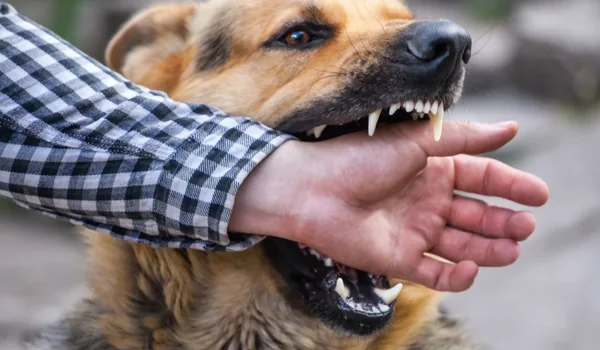
Dog bites are more than just painful accidents. They can lead to serious injuries, emotional trauma, medical bills, lost income, and long-term scarring. Oregon has a unique legal approach to dog bite cases that blends strict liability, negligence, and local control laws. That mix can feel confusing if you’re not familiar with it.
This article explains Oregon dog bite law in a clear, engaging, and easy-to-understand way — helpful for everyday readers and detailed enough for law practices handling dog bite injury cases.
Does Oregon Have a Dog Bite Statute?
Unlike some states, Oregon does not have one single statewide dog bite statute that automatically makes owners liable for every bite. Instead, Oregon dog bite cases are usually based on:
- Common law strict liability (in certain situations)
- Negligence law
- Local city or county leash and animal control ordinances
Together, these rules determine whether a dog owner is responsible for injuries caused by their dog.
The Core Rule: Oregon Uses a “Strict Liability” Approach — With Limits
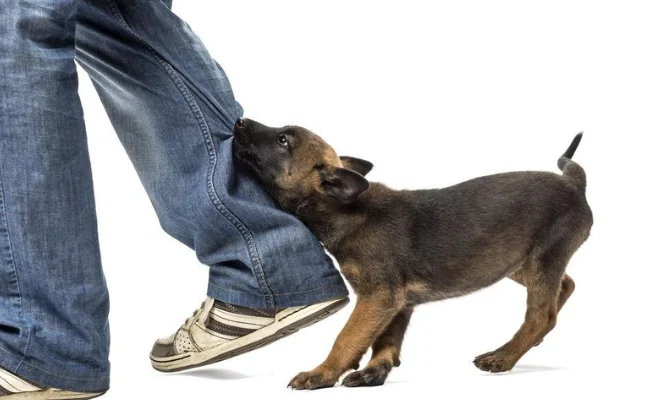
Oregon follows a form of strict liability for dog bite cases, but it is not as broad as states like California or Wisconsin.
What Strict Liability Means in Oregon
A dog owner can be held responsible for injuries without proving negligence if:
- The dog had dangerous or aggressive tendencies, AND
- The owner knew or should have known about those tendencies
This is sometimes described as a modified strict liability rule.
In simpler terms:
- If a dog has shown signs of aggression before, and
- The owner was aware of those signs,
- The owner can be liable even if they didn’t act carelessly at the moment of the bite.
This standard is less strict than “automatic liability,” but stronger than pure negligence.
Does Oregon Follow the “One Bite Rule”?
Oregon is often grouped with “one-bite rule” states, but that label can be misleading.
The Reality
Oregon does not give dog owners a “free bite.”
Instead:
- A prior bite is strong evidence that the owner knew the dog was dangerous
- But previous aggressive behavior (growling, lunging, snapping, chasing) can also establish knowledge
So, a dog does not need to bite someone first for an owner to be liable.
Examples of Aggressive Behavior That Matter
- Snapping at people
- Lunging while on a leash
- Baring teeth or growling repeatedly
- Chasing or attempting to attack others
- Prior attacks on animals
If an owner ignores warning signs, liability can follow.
Negligence: Another Major Path to Liability
Even if a dog has no known history of aggression, a dog owner can still be responsible under negligence law.
Negligence Means
The owner failed to act as a reasonably careful dog owner would under the circumstances.
Common examples include:
- Letting a dog run loose in violation of leash laws
- Failing to secure gates or fences
- Walking a dog known to be reactive without proper control
- Allowing children to interact unsafely with a dog
- Ignoring local animal control rules
If that failure leads to a bite or attack, the owner may be legally responsible.
The Role of Leash Laws and Local Ordinances
Oregon gives cities and counties significant authority to regulate dogs. Many areas — including Portland, Eugene, Salem, and Beaverton — have strict leash and containment laws.
Why This Matters
If a dog bites someone while violating a leash law, that violation can be powerful evidence of negligence.
For example:
- A dog off-leash in a leash-required park bites a jogger
- A dog escapes a yard without proper fencing
- A dog runs loose in an apartment complex
In these cases, the leash law violation often strengthens the victim’s claim.
Where the Bite Happens Matters
Public Places
Dog bites in public areas (sidewalks, parks, trails) often lead to stronger claims, especially if:
- The dog was unleashed
- The dog was not under control
- The owner ignored local rules
Private Property
Dog bites on private property depend on:
- Whether the victim was legally allowed to be there
- Whether the dog had known dangerous tendencies
- Whether the owner failed to warn guests
Delivery drivers, mail carriers, utility workers, and invited guests are generally protected.
Trespassers
If a person was trespassing, the dog owner may have stronger defenses. However, trespassing does not automatically eliminate liability, especially in cases involving children or extreme danger.
What If the Victim Provoked the Dog?
Oregon follows a comparative fault system.
This means:
- If the injured person provoked the dog, their compensation may be reduced
- If the victim was more than 50% at fault, recovery may be barred
Provocation can include:
- Hitting or teasing the dog
- Pulling ears or tails
- Ignoring clear warning signs
- Entering restricted areas intentionally
Each case is highly fact-specific.
What Injuries Are Covered Under Oregon Dog Bite Law?
Dog bite cases are not limited to puncture wounds.
Common Covered Injuries
- Bite wounds and lacerations
- Nerve damage
- Broken bones from knockdowns
- Infections (including severe bacterial infections)
- Facial injuries and scarring
- Psychological trauma (especially in children)
A dog does not need to bite someone directly. If a dog knocks someone down or causes injury during an attack, that can still support a claim
Compensation Available to Dog Bite Victims
In a successful Oregon dog bite claim, victims may recover:
Economic Damages
- Emergency medical care
- Hospital stays and surgery
- Follow-up treatment and therapy
- Lost wages
- Reduced earning capacity
Non-Economic Damages
- Pain and suffering
- Emotional distress
- Anxiety or PTSD
- Scarring or disfigurement
- Loss of enjoyment of life
Future Damages
- Ongoing medical care
- Reconstructive surgery
- Psychological counseling
There is no automatic cap on damages in typical dog bite cases.
Insurance and Dog Bite Claims in Oregon
Most dog bite cases are paid through insurance, not directly out of the owner’s pocket.
Common Policies
- Homeowners insurance
- Renters insurance
- Landlord liability insurance
- Umbrella policies
Insurance companies often try to:
- Minimize injuries
- Shift blame to the victim
- Argue the dog had no prior history
Early documentation and legal guidance are critical.
Dangerous Dog Laws and Reporting Requirements
Oregon counties and cities may classify dogs as dangerous or potentially dangerous after a bite.
This can result in:
- Mandatory confinement
- Muzzling requirements
- Higher insurance requirements
- Removal of the dog in extreme cases
Healthcare providers and victims may also be required to report dog bites to local authorities for public health tracking.
Special Rules for Children
Children receive extra legal protection under Oregon law.
Courts recognize that:
- Children may not understand warning signs
- Young children cannot legally provoke in the same way adults can
- Owners must take greater care when dogs are around kids
Bites involving children often result in higher compensation due to long-term emotional and physical impact.
What Dog Owners Should Know
For dog owners in Oregon:
- There is no guaranteed “free bite”
- Aggressive behavior can create liability even before a bite occurs
- Leash law violations are risky
- Insurance coverage is essential
- Responsible training and supervision reduce legal exposure
Taking early action after a warning incident can prevent future harm — and serious legal consequences.
Strategic Notes for Law Practices
For attorneys handling Oregon dog bite cases:
- Identify evidence of prior aggression early
- Investigate local ordinances and leash laws
- Preserve animal control and veterinary records
- Evaluate comparative fault carefully
- Assess insurance coverage limits
Strong cases often combine knowledge of danger + ordinance violations + injury documentation.
Final Takeaways
Oregon dog bite law strikes a balance between protecting victims and holding owners accountable without automatic liability in every situation. While not purely strict liability, Oregon law strongly favors injured victims when owners ignore warning signs, violate leash laws, or fail to control dangerous dogs.
In Simple Terms
- Dog owners can be responsible even without a prior bite
- Aggressive behavior matters
- Negligence and leash law violations strengthen claims
- Victims can recover medical costs, lost income, and emotional damages
If you or someone you care about has been bitten by a dog in Oregon, understanding these laws can make a real difference in protecting your rights and recovery.
About the Author