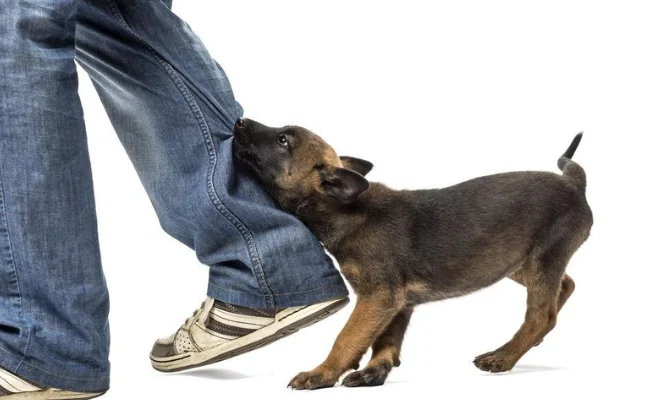
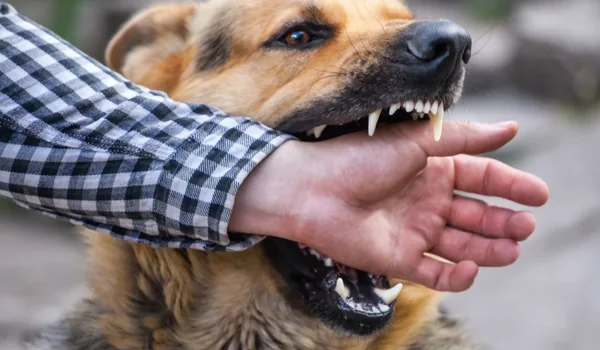
Dog bites are traumatic — physically, emotionally, and financially. In Washington State, the legal response to dog bite incidents is shaped not only by liability for injuries but also by public safety rules that can result in a dog being euthanized under certain circumstances. Balancing the rights of victims, the responsibilities of dog owners, and animal welfare makes this area of law complex, and many people find it confusing. This guide breaks it down in clear, accessible language while still providing the depth attorneys and law practices need.
How Washington Law Treats Dog Bite Liability
Before discussing euthanasia, it helps to understand the core of Washington’s dog bite law:
Strict Liability for Dog Bites
Washington’s dog bite statute (RCW 16.08.040) holds that if a dog bites someone while they are in a public place or lawfully on private property, including the owner’s property, then the dog owner is liable for the victim’s injuries — regardless of whether the dog was previously vicious or the owner knew of dangerous tendencies.
In other words:
- There’s no “one bite rule” that shields owners of dogs with no prior bite history.
- The victim does not have to prove negligence — liability attaches simply because a bite occurred under the covered circumstances.
Defense options for dog owners include proving:
- The victim provoked the dog, or
- The victim was trespassing unlawfully at the time of the bite.
This civil liability framework impacts compensation but does not by itself trigger euthanasia of the dog. That next piece comes from the state’s dangerous dog provisions.
Dangerous & Potentially Dangerous Dogs in Washington

Washington’s animal law (RCW 16.08.070-100) recognizes two special classifications:
- Potentially Dangerous Dog
- Dangerous Dog
These categories matter because they give authorities — and sometimes courts — the power to mandate how a dog must be controlled and, in some severe cases, euthanized.
Potentially Dangerous Dog
A dog may be considered potentially dangerous if it:
- Bites unprovoked (on public or private property),
- Chases or threatens people aggressively, or
- Has a known pattern of threatening behavior.
Under state law, potentially dangerous dogs are often regulated at the local level, meaning city and county ordinances (like those in Seattle or Spokane) will dictate how the dog must be handled.
Dangerous Dog
A dog may be classified as dangerous if it:
- Inflicts severe injury on a person without provocation,
- Kills a domestic animal off the owner’s property, or
- Has been previously declared potentially dangerous and again bites or threatens humans.
Dangerous dog classification triggers state legal consequences, which may include:
- Mandatory restraint and containment requirements,
- Required registration and liability insurance, and
- Potential criminal penalties against the owner if the dog attacks again.
While classification itself doesn’t automatically mean euthanasia, it is the system that leads most directly to that option.
When Can a Dog Be Euthanized in Washington?
Dangerous Dog That Attacks After Classification
If a dog has already been declared dangerous and then attacks or bites a person or another animal again, Washington law provides authority for the dog to be confiscated and, after quarantine, humanely destroyed — meaning euthanized.
This rule reflects a policy that dogs repeatedly endangering people or animals present an unreasonable ongoing public safety risk. The law aims to prevent future harm if other control measures prove insufficient.
When this process is triggered:
- The dog is usually seized by animal control or law enforcement.
- The animal is placed in quarantine for a legally specified period.
- After quarantine, if the conditions for destruction are met, the dog may be humanely euthanized.
This applies even if the dog’s owner tries to retain the animal — public safety concerns take priority after repeated attacks.
Severe Attacks Without Prior Classification
Washington law also allows a dog to be immediately confiscated and euthanized if it:
- Aggressively attacks and causes severe injury or death to a person — whether or not the dog was previously labeled dangerous.
This is perhaps the most serious scenario. A dog that causes life-altering harm to a human may not be given a second chance under law because of the very high risk it represents.
Rabies Quarantine & Public Health Euthanasia
Separate from dangerous dog rules, Washington’s rabies control laws give local health officers significant authority when a biting animal might carry rabies:
- Reported biting animals may be ordered to be quarantined for observation (typically 10 days if vaccinated).
- Stray, unwanted, or suspected rabid animals may be euthanized immediately for rabies testing and public health reasons.
While this is not “dog bite law euthanasia” in a dog-attack context, it is a significant way dogs are humanely put down when public safety requires it after bites.
How Local Laws and Municipal Action Fit In
Washington state law sets the baseline, but many cities and counties have local dangerous dog ordinances that provide their own procedures for:
- Declaring a dog dangerous,
- Requiring warnings and signage,
- Ordering euthanasia after bite incidents, and
- Protecting neighbors and animal control officers.
For example, the Mount Vernon municipal code allows an animal control officer to order euthanasia of a dog that has attacked — after quarantine — with the owner’s right to a hearing first.
This reflects a broader reality: Washington’s system is cooperative between state and local authorities, and local ordinances can have significant impact on how euthanasia decisions play out in practice.
Owner Rights, Appeals & Due Process
Owners don’t always lose their dogs immediately. The law often requires:
- Notice to the owner before dangerous classification,
- A chance to appeal local dangerous dog declarations, and
- Potential court proceedings before euthanasia is ordered in some jurisdictions.
This effort to balance public safety and animal welfare gives owners opportunities to demonstrate that a dog can be handled responsibly or rehabilitated — but repeated dangerous behavior typically tips the balance away from keeping the dog alive.
Why Euthanasia Is a Legal Option — And When It’s Not
From a public safety perspective:
- Euthanasia is considered a last resort when a dog presents a recurrent or extreme threat to humans or animals.
- The law recognizes that not all bites are equal — one minor nip doesn’t automatically mean death for a dog.
- But if the dog has a track record of injury, severe harm, or the owner fails to control it after local classification, the legal framework supports removing the threat permanently.
It’s also important to distinguish:
- Civil liability: Paying damages to a bite victim is separate from
- Dangerous dog enforcement: which can lead to euthanasia.
One does not automatically cause the other, but often a dangerous dog classification involves both civil and public safety consequences.
What This Means for Everyday People
If you’ve been bitten by a dog in Washington State:
- You generally can hold the owner liable for your injuries without proving they knew the dog was dangerous.
- Document the incident carefully, report it to animal control, and seek medical and legal advice early.
If you’re a dog owner:
- Take any bite incident seriously — repeated aggression can trigger dangerous dog classifications and even euthanasia orders.
- Consult local ordinances because cities may have stricter rules.
- Work with animal behavior professionals to address issues before they escalate.
Key Takeaways for Legal Practices
For attorneys handling these cases, it’s essential to:
Understand Multiple Legal Layers
- State statutory liability (RCW 16.08.040) covers dog bite compensation.
- State dangerous dog law governs classification and enforcement.
- Local ordinances may add procedures, hearings, and appeal rights.
Separate Civil & Public Safety Strategies
- Dog bite injury claims are civil actions focused on compensation.
- Dangerous dog actions and euthanasia proceedings are public safety matters, handled through administrative or criminal processes.
Preserve Evidence Early
- Bite reports, witness statements, animal control records, and prior complaints help in both civil and dangerous dog cases.
Advocate for Clients
- For victims: pursue compensation and ensure public safety follow-up.
- For owners: explore defenses, due process rights, and possible rehabilitation plans when appropriate.
Final Thoughts
Washington’s dog bite law and dangerous dog framework reflect a clear goal: protect people while balancing the welfare of animals wherever reasonable. Euthanasia is not the default outcome after every bite — it is a serious step reserved for persistent threats or severe harm.
If you find yourself involved in a dog bite case or dangerous dog proceeding — whether as a victim or dog owner — seeking informed legal guidance early can make all the difference in protecting your rights and ensuring the best possible outcome in a difficult situation.
About the Author