A workplace injury can change a person’s life in a matter of seconds. One moment you are doing your job, and the next you may be facing medical bills, lost wages, and uncertainty about your future. While many people have heard of workers’ compensation, fewer understand when a workplace injury lawsuit may be possible—and how it differs from standard workplace injury claims.
In the United States, not every job-related injury leads to a lawsuit. However, in certain situations, injured workers may have the legal right to pursue compensation beyond basic workers’ compensation benefits. Understanding how workplace injury lawsuits work can help workers protect their rights and help law practices better educate and represent injured clients.
This guide explains workplace injury lawsuits in simple terms, covering when they apply, how they work, what compensation may be available, and why legal guidance often matters.
What Is a Workplace Injury Lawsuit?

A workplace injury lawsuit is a legal claim filed by an injured worker seeking compensation for harm suffered on the job. Unlike workers’ compensation claims, which are usually handled through an insurance system, a lawsuit is filed in civil court.
Most workplace injuries are covered under workers’ compensation, which typically limits the ability to sue an employer. However, a lawsuit may be possible when the injury was caused by someone other than the employer, or when serious negligence or unsafe practices are involved.
In simple terms:
- Workers’ compensation provides limited benefits, regardless of fault.
- Workplace injury lawsuits aim to recover full damages when the law allows it.
Common Causes of Workplace Injuries
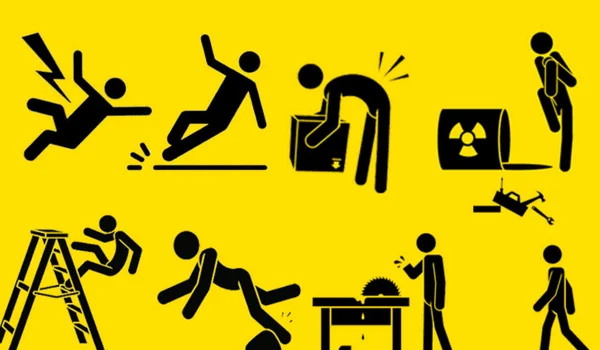
Workplace injuries happen across all industries, not just construction or manufacturing. Common causes include:
- Slips, trips, and falls
- Falls from heights
- Unsafe machinery or equipment
- Defective tools
- Electrical accidents
- Exposure to toxic substances
- Vehicle accidents while working
- Repetitive motion injuries
- Lack of safety training
- Poor maintenance of the worksite
When these incidents result from preventable safety failures or third-party negligence, legal action may be an option.
Workers’ Compensation vs. Workplace Injury Lawsuit
Many injured workers are confused about the difference between workers’ compensation and a lawsuit.
Workers’ Compensation
Workers’ compensation is a no-fault system. This means:
- You do not have to prove your employer was careless
- Medical expenses are covered
- Partial wage replacement is available
- Pain and suffering are usually not included
In exchange for these benefits, workers generally give up the right to sue their employer.
Workplace Injury Lawsuit
A lawsuit may allow an injured worker to seek:
- Full wage loss
- Pain and suffering
- Emotional distress
- Long-term disability compensation
However, lawsuits are only allowed in specific situations.
When Can You File a Workplace Injury Lawsuit?
A workplace injury lawsuit may be possible in the following situations:
- Third-Party Negligence
If someone other than your employer caused the injury, you may be able to file a lawsuit against that third party.
Examples include:
- Defective machinery made by an outside manufacturer
- A subcontractor causing an accident on a job site
- A negligent driver in a work-related vehicle accident
- Unsafe property conditions owned by another company
- Defective Products or Equipment
When tools, safety gear, or machines fail due to poor design or manufacturing defects, the manufacturer may be legally responsible.
- Intentional or Extreme Employer Misconduct
In rare cases, employers who knowingly expose workers to extreme danger or violate safety laws may face lawsuits outside workers’ compensation protections.
- Independent Contractor Misclassification
Some workers are incorrectly labeled as independent contractors. If misclassification occurred, workers’ compensation protections may not apply, opening the door to a lawsuit.
Types of Injuries That Often Lead to Lawsuits
Severe injuries are more likely to justify legal action, especially when long-term consequences exist. Common injuries involved in workplace lawsuits include:
- Traumatic brain injuries
- Spinal cord injuries
- Amputations
- Crush injuries
- Severe burns
- Permanent nerve damage
- Occupational illnesses
- Fatal workplace accidents (wrongful death claims)
These injuries often result in long-term medical care, permanent disability, and loss of earning capacity.
What Compensation Can a Workplace Injury Lawsuit Provide?
Unlike workers’ compensation, lawsuits allow injured workers to seek full damages related to their injury.
Possible Compensation Includes:
- Past and future medical expenses
- Lost wages and loss of earning ability
- Pain and suffering
- Emotional distress
- Disability and disfigurement
- Loss of enjoyment of life
- In wrongful death cases, funeral costs and family support
The amount depends on the severity of the injury, liability, and long-term impact on the worker’s life.
How the Workplace Injury Lawsuit Process Works
While every case is different, most lawsuits follow similar steps:
- Investigation
Evidence is gathered, including:
- Accident reports
- Medical records
- Safety violations
- Witness statements
- Expert opinions
- Filing the Lawsuit
A formal complaint is filed in civil court against the responsible party.
- Discovery Phase
Both sides exchange information and evidence.
- Negotiation or Settlement
Many cases settle before trial through negotiation or mediation.
- Trial (If Necessary)
If no settlement is reached, the case may go to trial, where a judge or jury decides the outcome.
Why Legal Representation Matters
Workplace injury lawsuits can be complex. Large companies and insurance carriers often have legal teams focused on limiting payouts.
An experienced workplace injury lawyer can:
- Identify all possible legal options
- Handle communication with insurers
- Collect and preserve critical evidence
- Calculate full damages
- Protect the worker from unfair pressure
- Navigate court procedures efficiently
For law practices, these cases require deep knowledge of injury law, safety regulations, and compensation strategies.
What Injured Workers Should Do After a Workplace Injury
Taking the right steps early can protect both health and legal rights.
- Seek immediate medical attention
- Report the injury to your employer
- Document the accident scene if possible
- Keep copies of medical and work records
- Avoid giving recorded statements without guidance
- Speak with a qualified workplace injury attorney
Delays or mistakes can weaken a potential lawsuit.
Time Limits for Filing a Workplace Injury Lawsuit
Every state has a statute of limitations, which sets deadlines for filing injury lawsuits. Missing this deadline can permanently bar recovery.
Because time limits vary by state and case type, early legal advice is critical.
Why Law Firms Focus on Workplace Injury Lawsuits
From a legal practice perspective, workplace injury lawsuits:
- Often involve high-value damages
- Require strong investigation and expert support
- Demand client education and trust
- Combine injury law with workplace safety regulations
For injured workers, these lawsuits can be the difference between minimal benefits and full financial recovery.
Conclusion
A workplace injury lawsuit is not about blame—it is about accountability and fairness. When a serious injury happens due to negligence, defective equipment, or unsafe conditions, injured workers deserve the opportunity to recover full compensation.
While workers’ compensation plays an important role, it does not always address the full impact of a workplace injury. Understanding when a lawsuit may apply empowers workers to protect their future and helps law practices provide meaningful representation.
If a workplace injury has disrupted your life, knowing your legal options is the first step toward recovery, stability, and justice.
About the Author