Motorcycle laws can be confusing, especially when they involve equipment requirements like mirrors. Riders often ask: Does North Carolina have a mirror law for motorcycles? The short answer is yes, but the details matter—and misunderstanding them can lead to traffic stops, citations, or complications after an accident.
This article breaks down North Carolina’s motorcycle mirror requirements in simple terms. It explains what the law requires, why mirrors matter, how enforcement works, and how mirror compliance can affect traffic tickets, insurance claims, and accident cases. It’s written for everyday riders and drivers, while also offering structure and clarity useful for law practices.
Why Motorcycle Mirror Laws Matter
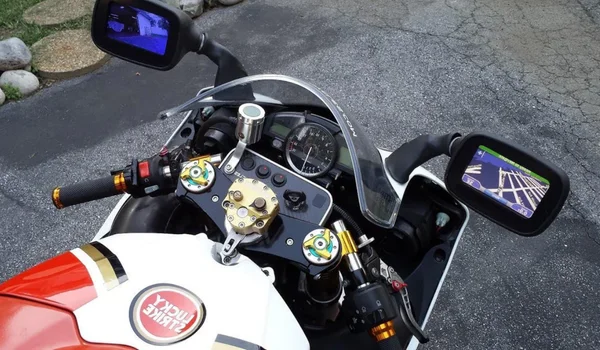
Mirrors may seem like a small detail, but they play a big role in road safety. For motorcycles, mirrors are often the primary way a rider:
- Monitors traffic behind them
- Safely changes lanes
- Avoids rear-end and sideswipe collisions
- Responds to emergency situations
Because motorcycles are smaller and less visible than cars, states like North Carolina regulate mirror use to reduce accidents and improve rider awareness.
The Short Answer: Does North Carolina Require Mirrors on Motorcycles?
Yes. North Carolina law requires motorcycles to be equipped with mirrors.
Under North Carolina vehicle equipment laws, motorcycles must have at least one mirror that allows the rider to see traffic behind them. However, many riders—and even some drivers—mistakenly believe two mirrors are always required. The law is more specific than that.
What North Carolina Law Actually Says About Motorcycle Mirrors
North Carolina’s vehicle equipment rules require that:
- A motorcycle must have at least one rearview mirror
- The mirror must be positioned so the rider can clearly see the roadway behind them
- The mirror must provide a reasonable and usable field of vision
In practice, this means:
- One mirror is legally sufficient
- The mirror can be mounted on either the left or right side
- Handlebar-mounted, fairing-mounted, or stem-mounted mirrors are acceptable if functional
That said, having only one mirror may still attract attention during a traffic stop, even if it technically meets legal requirements.
Are Two Mirrors Recommended Even If One Is Legal?
From a safety and liability standpoint, yes—two mirrors are strongly recommended.
Although North Carolina law allows a single mirror, most motorcycle manufacturers equip bikes with two mirrors. Having mirrors on both sides:
- Improves visibility
- Reduces blind spots
- Helps during lane changes
- Strengthens your position if fault is disputed after an accident
From a legal perspective, two mirrors reduce the risk of arguments that limited visibility contributed to a crash.
What Types of Mirrors Are Allowed in North Carolina?
North Carolina law does not require a specific mirror style, but the mirror must be:
- Securely attached
- Properly positioned
- Capable of showing traffic behind the rider
Common acceptable mirror types include:
- Standard handlebar mirrors
- Bar-end mirrors
- Fairing-mounted mirrors
Mirrors that are:
- Loose
- Cracked
- Obstructed
- Decorative only
may not meet legal standards, even if technically present.
Can You Be Pulled Over for Missing or Improper Mirrors?
Yes. A motorcycle that does not meet equipment requirements can be lawfully stopped by law enforcement in North Carolina.
Common reasons riders get stopped include:
- No mirrors at all
- Broken or dangling mirrors
- Mirrors turned inward and unusable
- Aftermarket modifications that remove mirrors
These stops usually result in a fix-it ticket or equipment violation, but they can sometimes lead to additional citations if other issues are discovered.
What Are the Penalties for Violating Mirror Laws in North Carolina?
Mirror-related violations are generally considered non-moving equipment violations.
Possible consequences include:
- A traffic citation
- A small fine
- Court costs
- A requirement to fix the issue and provide proof
These violations usually do not add points to your driving record, but ignoring them can result in higher penalties.
How Motorcycle Mirror Laws Affect Accident Claims
Mirror compliance can become surprisingly important after a motorcycle accident.
Why Mirrors Matter in Legal Claims
If a crash involves:
- A lane change
- A merge
- A rear-end collision
- A sideswipe
Insurance companies may argue that the rider:
- Failed to properly check traffic
- Had limited visibility
- Contributed to the accident
If your motorcycle lacked proper mirrors, insurers may claim partial fault, even if the other driver caused the crash.
Comparative Negligence and Motorcycle Equipment Issues
North Carolina follows a contributory negligence rule, which is one of the strictest in the country.
This means:
- If a rider is found even slightly at fault, they may be barred from recovering compensation
- Equipment issues like missing mirrors can be used as evidence of negligence
While missing mirrors alone do not automatically make a rider at fault, they can be used against you in close cases.
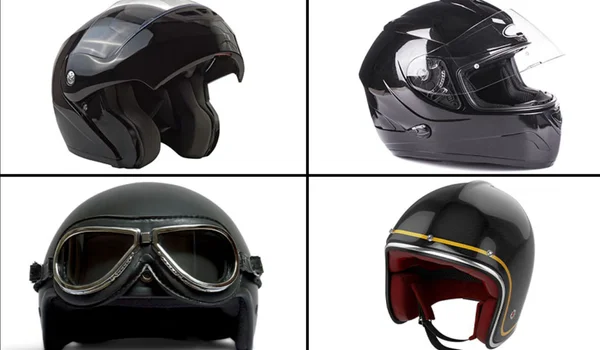
Helmet Laws vs. Mirror Laws: A Quick Comparison
Both helmet and mirror laws are equipment-based, but they are treated differently.
- Helmet use is mandatory and heavily enforced
- Mirror requirements are simpler but still legally important
- Violations of either can impact injury claims and liability arguments
Following all equipment laws helps protect both your safety and your legal rights.
Are Mirror Laws Different for Custom or Vintage Motorcycles?
Custom and vintage motorcycles are not exempt from mirror requirements.
Even if a bike is:
- Custom-built
- Restored
- Modified
- Used primarily for shows
It must still comply with mirror laws when operated on public roads.
Riders who remove mirrors for appearance or aerodynamics risk traffic stops and legal complications.
Do Out-of-State Riders Have to Follow North Carolina Mirror Laws?
Yes. If you are riding in North Carolina:
- You must comply with North Carolina equipment laws
- Out-of-state registration does not exempt you
Law enforcement applies local vehicle laws regardless of where the motorcycle is registered.
How Law Enforcement Typically Views Motorcycle Mirror Violations
In practice:
- Officers often use mirror violations as secondary stops
- Riders may receive warnings if cooperative
- Repeat or obvious violations are more likely to result in citations
Compliance reduces unnecessary interactions with law enforcement.
Best Practices for Motorcycle Mirror Compliance in North Carolina
To stay compliant and safe:
- Install at least two mirrors whenever possible
- Ensure mirrors are clean and properly adjusted
- Avoid decorative mirrors that reduce visibility
- Inspect mirrors regularly for looseness or damage
These small steps can prevent tickets and strengthen your legal position after an accident.
Why Motorcycle Mirror Laws Matter to Law Practices
For attorneys, mirror laws often arise in:
- Motorcycle accident litigation
- Insurance disputes
- Traffic defense cases
- Comparative fault arguments
Understanding the details allows legal professionals to:
- Challenge improper fault claims
- Address equipment-based defenses
- Educate clients on compliance
Clear knowledge of equipment laws can change the outcome of a case.
Common Myths About Motorcycle Mirror Laws in North Carolina
Myth: Two mirrors are always required
Truth: One mirror is legally sufficient, though two are recommended
Myth: Bar-end mirrors are illegal
Truth: They are legal if properly positioned and functional
Myth: Custom bikes don’t need mirrors
Truth: All street-legal motorcycles must comply
Final Thoughts
So, does North Carolina have a mirror law for motorcycles? Yes—and while the law itself is simple, its implications are significant. At least one properly functioning mirror is required, but riding with two mirrors offers better safety and stronger legal protection.
For everyday riders, compliance helps prevent tickets and accidents. For legal professionals, mirror laws can play a critical role in liability and insurance disputes. Understanding these rules helps everyone share the road more safely and fairly.
About the Author