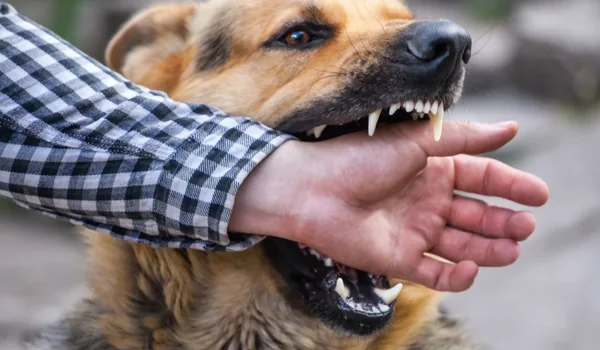
Dog bites can be traumatic — physically, emotionally, and financially. In Wisconsin, the law takes dog bites seriously and has specific rules about when a dog owner is responsible for injuries caused by their animal. Whether you’re someone who was injured, a dog owner trying to understand your responsibilities, or a lawyer handling a case, this article breaks down Wisconsin dog bite laws in easy-to-understand terms while still offering useful depth for legal professionals.
Wisconsin’s Legal Framework for Dog Bites
The Core Statute
Wisconsin’s primary dog bite law is found in Wisconsin Statutes § 174.02, titled Owner’s liability for damage caused by dog; penalties; court order to kill a dog. This statute establishes when owners are legally responsible for harm caused by their dogs.
Under this statute:
- Dog owners are liable for the full amount of damages if their dog injures a person, another domestic animal, or property. The law doesn’t require showing the owner was careless — just that the injury was caused by the dog.
- If the owner knew or was notified that the dog had previously caused harm, and the dog again injures someone with sufficient force to break skin and cause permanent scarring or disfigurement, the owner can be liable for double damages (twice the full amount).
This approach is commonly known as strict liability — more on that below.
What “Strict Liability” Means in Wisconsin

Strict liability means you don’t need to prove the dog owner was negligent (made a mistake or acted carelessly) — you only need to show:
- The dog caused injury, and
- There’s a connection between that dog and the defendant.
So:
- If someone is bitten and injured by a dog, the owner is generally responsible even if the dog never bit anyone before.
- Even if the owner took precautions like fencing and leashing, strict liability still applies.
This is different from a negligence standard that many other types of personal injury claims use. Victims don’t have to show the owner “should have known” the dog might bite — Wisconsin’s statute makes liability automatic under the right conditions.
How the “Notice” Rule Works: First vs. Subsequent Incidents
Wisconsin’s law makes a clear distinction between:
First Bite (Without Notice)
If a dog injures someone and the owner did not know of any prior incidents, the owner is liable for the full amount of damages — including medical bills, lost wages, pain and suffering, and other losses.
Second Harmful Incident (After Notice)
If the owner knew the dog had previously bitten someone or caused similar injury, and the dog again injures a person with enough force to break skin and leave permanent scars:
- The owner is liable for two times the full amount of damages.
This “double damages” rule is meant to encourage owners to take past dangerous behavior seriously.
Penalties Beyond Civil Liability
In addition to civil damages, Wisconsin’s statute imposes forfeitures (fines) on dog owners whose animals injure others:
- Without prior notice: fines typically range from $50 to $2,500.
- With prior notice: fines increase to $200 to $5,000 when the owner knew the dog previously caused injury.
These fines are in addition to liabilities for damages, not instead of them.
Court Orders to Euthanize Dangerous Dogs
Wisconsin law also allows a court — in a civil action — to order a dog euthanized if:
- The dog caused serious injury to a person or domestic animal on two separate occasions off the owner’s property, and
- The owner knew of the first incident before the second occurred.
This is a serious remedy and reflects public safety concerns when a dog repeatedly causes harm.
Who Counts as an “Owner”?
Wisconsin’s law defines “owner” broadly — it can include:
- The person who legally owns the dog,
- Any person who harbors or keeps the dog, and
- People exercising care and control over the animal at the time of the incident.
Case law has clarified that someone who has custody and control of the dog (like a kennel worker or dog sitter) may be treated as an owner for liability purposes in some situations.
What Counts as a “Dog Bite” or Injury?
While the statute talks about injury caused by a dog, courts and attorneys recognize that:
- Not only bites that break the skin matter.
- A dog that knocks someone down or causes injury by jumping or grabbing that leads to a fall, fracture, or other trauma can be covered.
So, injuries indirectly caused by a dog — such as being knocked over and hurt — can still support a claim.
Conditions and Exceptions
Law Enforcement Dogs
Dogs used by law enforcement are exempt from these liability rules for injuries to suspects while performing official duties.
Comparative Negligence
Wisconsin also follows a comparative negligence approach, meaning if the injured person was partly at fault, damages might be reduced. For example, if the victim provoked the dog or was trespassing, a court could consider their share of fault in determining damages.
Provocation or Trespassing
A dog owner may argue that the person injured was trespassing or provoked the dog, which could affect liability or damages. Provocation doesn’t automatically eliminate liability, but it can be part of a defense.
Reporting and Public Health Rules
Although not part of the civil statute itself, Wisconsin public health law requires dog bites to be reported to local health departments and may involve quarantine for rabies observation. These rules protect public health and can affect evidence in civil claims. Local health departments often require reporting from:
- Victims
- Healthcare providers
- Dog owners
This helps track rabies risk and ensure that victims receive proper medical care.
Damages Victims Can Pursue
A person injured by a dog in Wisconsin can often seek compensation for:
- Medical expenses (current and future)
- Lost income if recovery affects work
- Pain and suffering
- Emotional distress or psychological trauma
- Permanent disfigurement or disability
If the owner knew of prior dangerous behavior, double damages may apply.
Insurance, especially homeowners or renters liability coverage, often pays many of these claims. Victims should document injuries, medical records, and any prior incidents when pursuing compensation.
What Dog Owners Need to Know
No “One Bite” Free Pass
Wisconsin does not follow the old “one-bite rule” used in some places. Owners can be liable even for a first bite without proof of negligence.
Know Your Insurance
Homeowners and renters policies typically include liability coverage for dog bites up to policy limits. If a dog bites someone, homeowners insurance may cover medical bills, legal fees, and damages.
Preventive Steps
To reduce risk:
- Use secure fencing and supervision
- Keep dogs leashed in public
- Train and socialize pets
- Respond appropriately to them around people
These practical steps protect both people and owners from harm and costly liability.
For Lawyers & Legal Practices: Strategic Considerations
Assessing Liability Early
Evaluate whether strict liability applies under § 174.02 and whether double damages might be triggered by prior incidents.
Gather Evidence
Key evidence includes:
- Medical records
- Witness statements
- Photos
- Documentation of prior bites or warnings
- Insurance policy details
Comparative Fault Issues
Explore whether the victim’s conduct (e.g., provocation) affects damages under comparative negligence principles.
Dangerous Dog Remedies
When repeated incidents occur, investigate whether a civil request to remove a dangerous dog is appropriate under the statute.
Practical Examples
Example 1 — First Injury
A jogger is bitten by a neighbor’s dog in the yard.
- The owner has no prior notice of danger.
- The victim can pursue damages under Wisconsin statute.
Example 2 — Repeat Harm
A dog previously caused another serious bite. The owner was told about it but did nothing. The dog bites again, and the victim suffers scarring.
- The owner may be liable for double damages because of prior notice.
Example 3 — Provoked Incident
A person taunts a dog, and the dog bites them.
- Liability may still attach, but the victim’s behavior could reduce recoverable damages under comparative negligence.
Final Takeaways
Wisconsin dog bite laws are designed to protect victims and hold owners accountable. The state’s strict liability rule means owners are responsible even if they weren’t negligent, and knowing prior danger can dramatically increase liability. For victims, this means a clearer path to compensation; for owners, it means understanding responsibilities and risks is essential.
If you’re dealing with a specific situation — either as a victim or dog owner — consulting a personal injury lawyer experienced with Wisconsin dog bite laws can help clarify your rights and options.
About the Author