Getting injured at work is stressful enough. But for some workers, the situation becomes even more frightening when they are fired, laid off, or pushed out after reporting a workplace injury. If you’re asking yourself, “Can my employer fire me for getting hurt at work?”—you are not alone.
The short answer is: an employer generally cannot fire you simply because you were injured or because you filed a workplace injury claim. However, the law is not always straightforward, and some employers attempt to hide illegal actions behind “business reasons.”
This article explains what it means to be fired for a workplace injury, what the law says, warning signs of illegal retaliation, and what steps injured workers can take to protect themselves. It is written in clear, everyday language while still providing insight useful for law practices.
Can You Be Fired for a Workplace Injury?
In the United States, employers are not allowed to retaliate against workers for reporting a workplace injury or filing a workers’ compensation claim. Retaliation can include:
- Termination
- Demotion
- Pay cuts
- Reduced hours
- Harassment
- Unfair discipline
That said, many states follow “at-will employment,” meaning employers can fire workers for many reasons. This is where confusion often arises. At-will does not mean an employer can fire you for an illegal reason, such as punishment for exercising your legal rights after a work injury.
What Counts as Being “Fired” After a Workplace Injury?
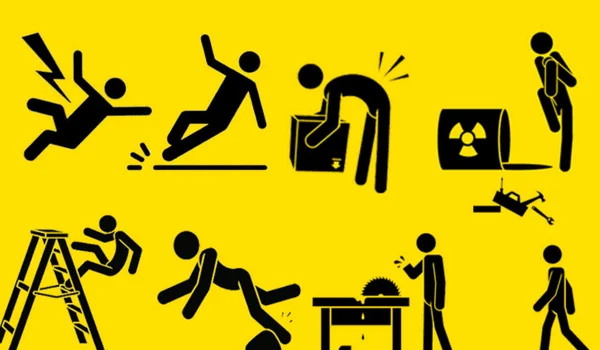
Being fired doesn’t always look like a sudden termination. Employers may use indirect tactics to push injured workers out.
Examples include:
- Termination shortly after filing an injury report
- Claiming your job is “no longer available”
- Cutting your hours drastically
- Forcing you to return to work before you’re medically ready
- Creating unbearable working conditions
- Firing you for minor or made-up rule violations
If these actions happen soon after a workplace injury, retaliation may be involved.
Common Reasons Employers Give (And What They May Really Mean)
Employers often give neutral-sounding explanations for firing injured workers. Some common ones include:
“You can’t perform your job anymore”
If you have work restrictions, employers may be required to consider reasonable accommodations, depending on the situation. Firing you without exploring options may raise legal concerns.
“Company policy was violated”
If policies were ignored for others but suddenly enforced after your injury, this could be a red flag.
“We had to reduce staff”
Layoffs that only affect injured workers or happen right after a claim may be suspicious.
“You missed too much work”
Time missed due to a workplace injury may be protected under workers’ compensation or medical leave laws.
Laws That Protect Injured Workers From Being Fired
Several laws work together to protect employees after a workplace injury.
Workers’ Compensation Anti-Retaliation Laws
Most states prohibit employers from firing or punishing workers for:
- Reporting an injury
- Filing a workers’ compensation claim
- Seeking medical treatment
Family and Medical Leave Act (FMLA)
In some cases, injured workers may qualify for job-protected medical leave.
Americans with Disabilities Act (ADA)
If a workplace injury causes lasting limitations, the ADA may require employers to provide reasonable accommodations rather than firing the employee.
State Employment Laws
Many states have additional protections for injured workers, including penalties for retaliatory termination.
Signs You May Have Been Fired Illegally
You may have a case if:
- You were fired soon after reporting an injury
- Your performance was never an issue before the injury
- Other workers were treated more favorably
- Your employer discouraged you from filing a claim
- You were pressured to quit
- The reason for termination keeps changing
Timing and patterns matter greatly in these cases.
What to Do If You’re Fired After a Workplace Injury
If you believe you were fired because of a workplace injury, taking the right steps early is important.
- Stay Calm and Get Information
Ask for the reason for termination in writing if possible.
- Keep All Records
Save:
- Injury reports
- Medical records
- Emails or texts from your employer
- Performance reviews
- Termination paperwork
- Do Not Assume Your Workers’ Comp Claim Is Over
Being fired does not automatically end your workers’ compensation benefits.
- Avoid Signing Anything Immediately
Some employers may push severance or settlement agreements quickly. Get advice before signing.
- Speak With a Workplace Injury or Employment Lawyer
A lawyer can help determine whether your termination was legal and what options you may have.
Can You Still Receive Workers’ Compensation After Being Fired?
Yes. Workers’ compensation benefits are tied to the injury, not your employment status. Even if you are fired, you may still be entitled to:
- Medical treatment
- Wage-loss benefits
- Disability payments
However, employers and insurance companies may try to argue that benefits should stop, making legal guidance important.
What Compensation May Be Available if You Were Fired Illegally
If an employer is found to have fired you unlawfully due to a workplace injury, possible outcomes may include:
- Lost wages
- Reinstatement of your job
- Back pay
- Future wage compensation
- Penalties against the employer
- Settlement agreements
The available remedies depend on state law and the facts of the case.
Why These Cases Matter to Law Practices
“Fired for workplace injury” cases often involve:
- Overlapping employment and injury laws
- Detailed timelines and evidence analysis
- Insurance company involvement
- Emotional and financial stress for clients
For law firms, these cases require careful investigation and strong advocacy to hold employers accountable
How Employers Can Avoid These Problems
For employers reading this, the lesson is clear:
- Follow injury reporting laws
- Document legitimate performance issues consistently
- Avoid knee-jerk termination decisions
- Explore accommodations
- Train managers on anti-retaliation rules
Prevention protects both workers and businesses.
Conclusion
Being fired after a workplace injury can feel unfair, confusing, and overwhelming. While employers have broad authority in at-will employment states, they do not have the right to punish workers for getting hurt on the job or seeking benefits.
If you believe you were fired for a workplace injury, you may still have important legal rights—and possibly a claim beyond workers’ compensation. Understanding those rights is the first step toward protecting your income, your dignity, and your future.
For injured workers, knowledge is power. For law practices, clear education builds trust and helps injured employees find the help they need.
About the Author