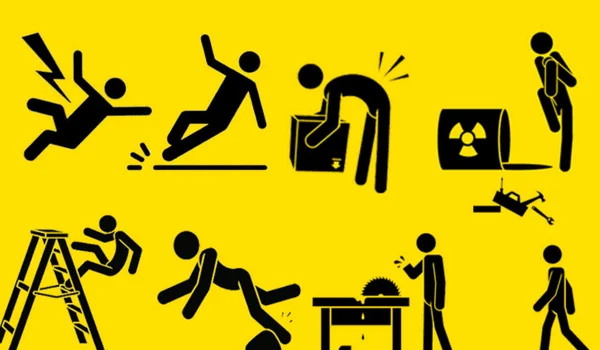
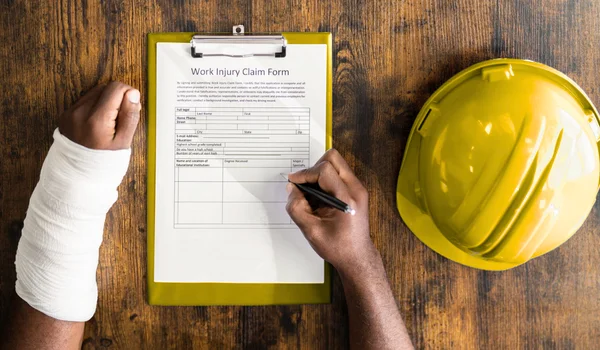
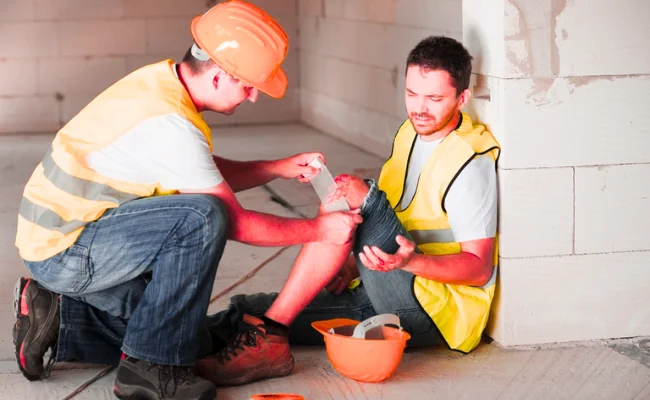
Hand injuries are among the most common workplace injuries in the United States. Our hands are involved in almost every job—lifting, typing, operating machinery, handling tools, packaging products, and more. Because of this constant use, hands are also highly vulnerable to serious injuries that can affect a worker’s livelihood, independence, and quality of life.
From factory floors and construction sites to offices and warehouses, hand injuries can happen in any work environment. Some injuries heal quickly, while others lead to long-term disability, chronic pain, or permanent loss of function. Understanding how these injuries happen, how to prevent them, and what legal options are available is critical for both workers and employers.
This article breaks down everything you need to know about hand injuries in the workplace, including common causes, types of injuries, prevention strategies, medical treatment, and workers’ legal rights in the U.S.
Why Hand Injuries Are So Common at Work
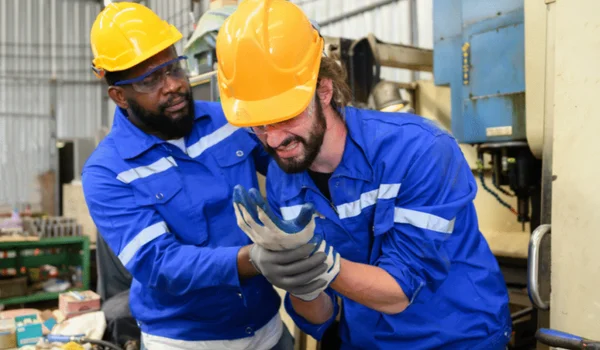
Hands are complex structures made up of bones, tendons, ligaments, nerves, muscles, and blood vessels. Even a small injury can disrupt daily tasks such as writing, driving, or buttoning a shirt.
Workplace hand injuries are common because:
- Hands are often close to moving machinery
- Many jobs involve repetitive motions
- Workers handle sharp tools or heavy objects
- Safety equipment may be missing or ignored
- Fatigue and rushed work increase mistakes
According to workplace safety data, hand and finger injuries account for a significant percentage of all job-related injuries, especially in construction, manufacturing, warehousing, healthcare, and food services.
Common Types of Hand Injuries in the Workplace
Workplace hand injuries range from minor cuts to life-changing trauma. Below are the most frequently reported types:
- Cuts and Lacerations
These occur when hands come into contact with sharp objects such as knives, glass, metal edges, or machinery blades. While some cuts are minor, deep lacerations can damage tendons or nerves, requiring surgery.
- Crush Injuries
Crush injuries happen when a hand is caught between heavy objects, such as:
- Forklifts
- Conveyor belts
- Press machines
- Falling materials
These injuries can cause broken bones, severe swelling, nerve damage, or even amputation.
- Fractures and Broken Fingers
A fall, impact from tools, or being struck by equipment can easily fracture bones in the hand or wrist. Some fractures heal slowly and may reduce grip strength permanently.
- Amputations
One of the most devastating workplace injuries, amputations often occur in industrial and construction settings involving:
- Power saws
- Presses
- Unguarded machinery
Even partial amputations can permanently affect a worker’s career and mental health.
- Burns
Workers may suffer hand burns from:
- Hot surfaces
- Chemicals
- Electrical sources
- Steam or fire
Burns can lead to scarring, stiffness, and loss of mobility.
- Repetitive Stress Injuries (RSIs)
Not all hand injuries are sudden. Repetitive tasks like typing, assembly work, or tool handling can cause conditions such as:
- Carpal tunnel syndrome
- Tendinitis
- Trigger finger
These injuries develop over time and can be just as disabling as sudden trauma.
Common Causes of Workplace Hand Injuries
Understanding the cause of a hand injury is important for both prevention and legal claims.
Unsafe Machinery
Machines without proper guards or emergency stop features are a major cause of serious hand injuries.
Lack of Training
Workers who are not properly trained may misuse tools or machinery, increasing injury risk.
Poor Workplace Safety Practices
Ignoring safety protocols, rushing tasks, or working while fatigued often leads to accidents.
Inadequate Protective Equipment
Failure to provide or use protective gloves suitable for the task can result in avoidable injuries.
Slips, Trips, and Falls
Falling onto an outstretched hand can cause fractures, sprains, or wrist injuries.
How Hand Injuries Impact Workers’ Lives
Hand injuries don’t just affect physical health—they impact every part of life.
- Loss of income due to missed work
- Difficulty performing daily activities
- Emotional distress and anxiety
- Long-term medical costs
- Permanent disability in severe cases
For workers who rely on their hands—mechanics, electricians, nurses, factory workers—the consequences can be especially severe.
Preventing Hand Injuries in the Workplace
Many hand injuries are preventable with proper safety measures.
For Employers
- Provide proper machine guarding
- Offer regular safety training
- Enforce safety rules consistently
- Supply appropriate protective gloves
- Maintain equipment regularly
For Workers
- Use the right tool for the job
- Wear required protective gear
- Follow safety procedures
- Avoid shortcuts
- Report unsafe conditions immediately
Prevention not only protects workers but also reduces downtime, compensation claims, and legal exposure for employers.
Medical Treatment for Workplace Hand Injuries
Treatment depends on the severity of the injury and may include:
- First aid and wound care
- X-rays or MRI scans
- Surgery for fractures or tendon damage
- Physical therapy or occupational therapy
- Pain management and rehabilitation
Early treatment is crucial. Delaying care can worsen the injury and reduce recovery chances.
Legal Rights After a Workplace Hand Injury
In the United States, most workers are protected by workers’ compensation laws. These laws generally allow injured employees to receive benefits regardless of who was at fault.
Workers’ Compensation Benefits May Include:
- Medical expense coverage
- Partial wage replacement
- Disability benefits
- Vocational rehabilitation
Workers usually must report the injury promptly and follow specific procedures to qualify for benefits.
When a Legal Claim Beyond Workers’ Compensation May Apply
In some situations, an injured worker may have additional legal options, such as:
- Injury caused by defective machinery
- Negligence by a third party (not the employer)
- Intentional safety violations
- Independent contractor disputes
In such cases, a personal injury or workplace injury lawyer can help explore further compensation options.
Why Law Practices Focus on Hand Injury Cases
For law firms, workplace hand injury cases require:
- Detailed medical documentation
- Understanding of workplace safety regulations
- Knowledge of workers’ compensation systems
- Experience handling long-term disability claims
Because hand injuries often involve permanent impairment, these cases demand careful evaluation to ensure injured workers receive fair compensation.
What Injured Workers Should Do Immediately
If you or someone you know suffers a hand injury at work:
- Seek medical attention immediately
- Report the injury to a supervisor
- Document the accident and take photos if possible
- Keep copies of medical records
- Follow all treatment recommendations
Early action protects both health and legal rights.
Conclusion
Hand injuries in the workplace are common, serious, and often life-altering. Whether caused by machinery, repetitive tasks, or unsafe conditions, these injuries can disrupt a worker’s ability to earn a living and live independently.
The good news is that many hand injuries are preventable, and workers in the U.S. have legal protections when injuries occur. Understanding workplace safety, knowing your rights, and taking quick action after an injury can make a significant difference in recovery and compensation.
For workers, awareness is the first line of defense. For employers and law practices, promoting safety and accountability helps create safer workplaces for everyone.
About the Author