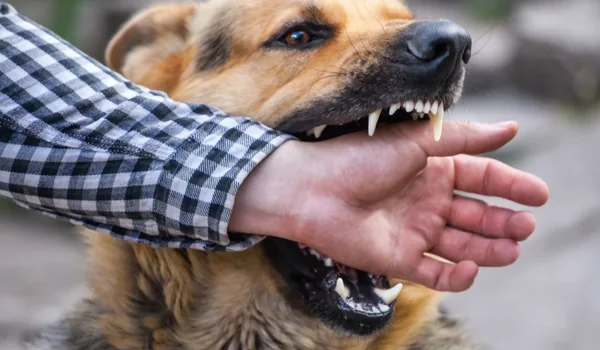
Dog bites and attacks can be traumatic — physically, emotionally, and financially. If you or a loved one has been bitten, or if you’re a dog owner trying to understand your legal duties in Iowa, it’s important to know how the law treats these situations. This guide breaks down Iowa’s dog bite laws in clear, friendly language while still giving enough depth for legal professionals and practitioners.
Iowa’s Approach: Strict Liability Explained
Iowa is one of the states with what’s known as strict liability for dog bites and attacks. That might sound technical, but the concept is simple:

Strict Liability Means:
- The dog owner is responsible for all damages caused when their dog attacks, bites, or attempts to bite a person.
- It doesn’t matter whether the dog has bitten someone before, whether the owner knew the dog might be dangerous, or whether the owner did anything wrong.
In plain language: If a dog bites and injures someone, the owner is generally on the hook — no need to prove negligence.
This rule helps protect bite victims because it shifts the burden:
You only need to prove that the bite happened and the dog belonged to the defendant.
What the Law Says: Key Statute (§351.28)
Iowa Code §351.28 sets the foundation for dog bite liability:
“The owner of a dog shall be liable to an injured party for all damages done by the dog…when the dog is attacking or attempting to bite a person…”
This applies whether the injury was severe or relatively minor — and even if the dog didn’t actually bite but attacked or attempted to bite.
The law also covers situations where the dog harms a domestic animal (like livestock or a pet).
Exceptions: When Dog Owners Might Not Be Liable
Even though Iowa’s law is strict, there are a few important exceptions:
Unlawful Acts by the Victim
If the person who was bitten was committing a crime or otherwise acting unlawfully, and that unlawful act directly contributed to the injury, the owner may not be responsible. Examples include:
- Trespassing on private property
- Attacking someone (and the dog reacts)
This exception is narrow and fact-specific, so it often becomes a key battleground in dog bite cases.
Rabid Dogs (Hydrophobia Exception)
There’s a special carve-out for dogs affected by hydrophobia (rabies). If a dog has rabies and bites someone:
- The owner is liable only if they knew or should have known that the dog had rabies and could have taken reasonable steps to prevent the injury.
Otherwise, rabies can change the liability landscape.
Owner’s Legal Duties After a Bite
After a dog bite or attack, Iowa law requires:
Reporting the Incident
The dog owner (or anyone knowing about the attack) must report the bite to:
- Local health officials
- Law enforcement authorities
This helps with public health tracking (especially for rabies risk) and can affect follow-up investigations.
Confinement and Public Safety Rules
Once officials are aware of an animal bite or potential rabies risk:
- The local health board can order the dog to be confined or quarantined.
- If the owner doesn’t comply, the dog can be impounded — and potentially humanely destroyed if it remains a risk.
These rules are about public safety and rabies control, not just civil liability.
What Damages Can Victims Recover?
Under Iowa law, injured victims (or their families) can pursue compensation for:
Economic Damages
- Medical bills (emergency care, surgery, rehab)
- Lost wages
- Future medical costs
Non-Economic Damages
- Pain and suffering
- Emotional distress
- Scarring or disfigurement
Because the law is strict, victims usually don’t have to show the owner acted carelessly — they just have to show the bite and resulting harm.
Statute of Limitations — Timing Matters
Like all injury cases, dog bite lawsuits must be filed in time. In Iowa:
- The typical deadline (statute of limitations) for personal injury cases is two years from the date of injury.
- This deadline can vary in special circumstances (e.g., minors), so early action is best.
Missing this window usually means losing the right to seek compensation.
Insurance and Financial Recovery
Most dog bite claims in Iowa are handled through the dog owner’s liability insurance, such as:
- Homeowners insurance
- Renters’ insurance
- Umbrella liability policies
Insurance often pays first, up to policy limits. If the insurance coverage isn’t enough, the owner can be personally responsible for additional costs.
Many insurers may defend or settle a claim, but coverage can be denied if the owner misrepresented their dog’s history or violated policy terms.
Common Misconceptions: “One-Bite Rule” Doesn’t Apply
Some states use a “one-bite rule,” where an owner isn’t liable the first time a dog bites unless the owner knew the dog was dangerous.
That’s NOT how Iowa works.
Iowa imposes strict liability regardless of prior bites or knowledge of dangerous behavior.
This means:
- A dog with no bite history can trigger liability.
- Owners can’t evade responsibility simply because the dog was “friendly” before.
Defensive Actions Owners Can Take
Dog owners should be proactive to limit risk:
Good Practices
- Keep dogs properly fenced and supervised.
- Use leashes in public areas.
- Socialize and train your dog to reduce aggressive tendencies.
- Report biting incidents immediately as required by law.
- Maintain accurate records of vaccinations (especially rabies).
Insurance Preparedness
Make sure your home or renters’ insurance includes adequate liability coverage for dog bites.
For Attorneys and Law Practices: Strategic Notes
Key Legal Points to Emphasize
- Iowa’s strict liability removes the need to prove negligence.
- Defenses are limited — mostly to unlawful act situations.
- Rabies exceptions can shape liability strategy.
Evidence to Gather
- Proof of ownership (vet records, licensing)
- Witness statements and medical records
- Police or animal control bite reports (especially for serious injuries)
Negotiation Considerations
Insurance companies may offer settlements early — but thorough valuation of future care, scarring, and emotional harm often increases a case’s true value.
Final Takeaways
For Everyday People:
If you’re bitten by a dog in Iowa and it wasn’t your fault — the law is written to help you get compensation. You don’t have to prove negligence. You only need to show:
- The dog bit (or attacked) you,
- You were injured,
- The dog belonged to the person you’re suing.
For Dog Owners:
Iowa law places heavy responsibility on owners to prevent injuries and report incidents. Being a responsible owner isn’t just good pet care — it’s good risk management.
For Lawyers and Advocates:
Iowa’s dog bite statute is straightforward but fact-intensive — particularly in exceptions and insurance coverage disputes. Strategic investigation and timely action are key.
About the Author