Workplace harassment is a serious issue across the United States, but New York has some of the strongest and most employee-friendly harassment laws in the country. Many workers in New York ask important questions like:
- What behavior counts as workplace harassment in NY?
- Is New York law different from federal law?
- Do small businesses have to follow harassment laws?
- What rights do employees really have?
If you work or run a business in New York, understanding workplace harassment laws is not optional—it’s essential.
This article explains New York workplace harassment laws in simple language, covering employee rights, employer duties, real-world examples, and how these laws go beyond federal protections.
What Is Workplace Harassment in New York?
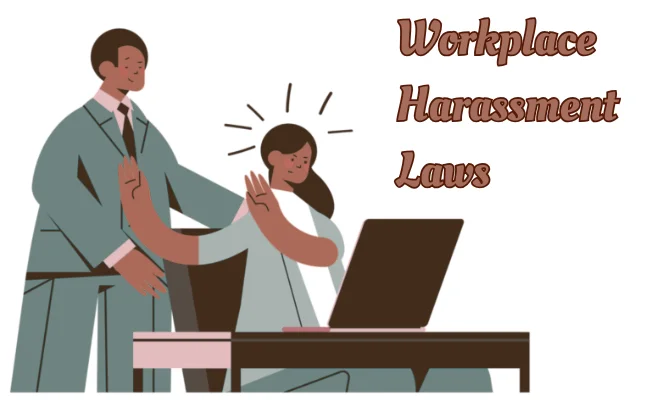
Workplace harassment in New York refers to unwelcome conduct that creates an intimidating, hostile, or abusive work environment. Unlike some federal standards, New York law sets a lower threshold, making it easier for employees to seek protection.
Harassment does not have to be extreme or constant to be illegal in New York.
Key Laws Governing Workplace Harassment in New York
Workplace harassment laws in New York come from three main sources:
- Federal Law (Title VII of the Civil Rights Act)
- New York State Human Rights Law (NYSHRL)
- New York City Human Rights Law (NYCHRL) (for NYC employees)
Each level offers protection—but state and city laws provide broader coverage than federal law.
How New York Harassment Laws Are Different From Federal Law
This is where New York stands out.
Under federal law, harassment must be “severe or pervasive” to be illegal.
Under New York State law, that standard was eliminated.
New York’s Lower Standard (Very Important)
In New York, harassment is unlawful if it:
- Subjects an employee to inferior terms, conditions, or privileges of employment
- Is more than petty slights or trivial inconveniences
This means:
- The behavior does not need to be severe
- The behavior does not need to happen repeatedly
Even one incident can be enough in some cases.
Protected Characteristics Under New York Law
New York protects workers from harassment based on a wide range of characteristics, including:
- Race
- Color
- National origin
- Citizenship or immigration status
- Religion
- Sex
- Gender identity or expression
- Sexual orientation
- Pregnancy and related conditions
- Disability
- Age
- Marital status
- Military status
- Domestic violence victim status
- Genetic information
New York law protects more categories than federal law, which is a major advantage for employees.
What Counts as Workplace Harassment in New York?
Harassment can take many forms. It is not limited to physical behavior.
Common Examples Include:
- Sexual comments or unwanted flirting
- Offensive jokes or slurs
- Insults related to race, gender, or religion
- Repeated teasing or mocking
- Unwanted touching
- Threats or intimidation
- Displaying offensive images or messages
- Harassment through emails, texts, or social media
Harassment can happen in person or online, during or outside work hours, if it affects the workplace.
Sexual Harassment Laws in New York
New York is especially strict when it comes to sexual harassment.
Important Points:
- Sexual harassment does not have to be severe or frequent
- A single incident may qualify
- The harasser’s intent does not matter
- Victims do not need to prove psychological injury
Sexual harassment includes:
- Quid pro quo (job benefits in exchange for sexual favors)
- Hostile work environment harassment
- Same-sex harassment
- Harassment by supervisors, coworkers, or clients
Who Is Protected Under New York Workplace Harassment Laws?
New York law protects almost everyone, including:
- Full-time employees
- Part-time employees
- Temporary workers
- Independent contractors
- Interns (paid or unpaid)
- Job applicants
This is broader than federal law, which often excludes contractors and interns.
Which Employers Must Follow New York Harassment Laws?
The Answer: Almost All of Them
- New York State law applies to employers of all sizes
- Even one-employee businesses are covered
- Federal law usually applies only to employers with 15+ employees
This means small businesses are not exempt in New York.
Employer Responsibilities Under New York Law
Employers in New York must take proactive steps to prevent harassment.
Required Employer Actions Include:
- Providing written anti-harassment policies
- Offering annual harassment prevention training
- Creating clear complaint procedures
- Investigating complaints promptly
- Taking corrective action when harassment is found
- Preventing retaliation
Failure to act can result in serious legal consequences.
Retaliation Is Strictly Illegal in New York
New York law strongly protects employees from retaliation.
An employer cannot legally punish an employee for:
- Reporting harassment
- Filing a complaint
- Participating in an investigation
- Supporting another employee
Retaliation can include:
- Termination
- Demotion
- Reduced hours
- Pay cuts
- Unfair discipline
- Increased harassment
Retaliation claims are often stronger than the original harassment claim.
How Long Do Employees Have to File a Harassment Claim in New York?
New York State:
- Up to 3 years to file a harassment complaint with the state agency
New York City:
- Also 3 years under city law
This is longer than federal deadlines, giving employees more time to act.
What Employees Should Do If They Experience Harassment
If you believe you are being harassed at work in New York, consider these steps:
- Document everything (dates, times, witnesses)
- Save messages and emails
- Report the conduct internally, if safe to do so
- Follow company complaint procedures
- Seek legal guidance early, especially if harassment continues
- Watch for retaliation
You do not need to quit your job to have a valid claim.
Damages and Remedies Available in New York
Employees who win harassment cases may be entitled to:
- Back pay
- Front pay
- Emotional distress damages
- Attorney’s fees
- Reinstatement
- Policy changes by the employer
New York law allows for broader damages than many federal claims.
Why New York Workplace Harassment Laws Matter for Law Firms
For law practices, New York harassment cases require a different approach than federal cases.
Key advantages include:
- Lower burden of proof
- Expanded protected classes
- Longer filing deadlines
- Coverage of small employers
- Protection for contractors and interns
Clear, plain-language education helps clients understand their rights and strengthens claims.
What Employers Should Learn From New York Harassment Laws
Employers should:
- Update workplace policies regularly
- Train managers thoroughly
- Take all complaints seriously
- Act quickly and fairly
- Document investigations properly
- Avoid retaliation at all costs
Ignoring complaints is one of the biggest legal risks.
Conclusion
Workplace harassment laws in New York are among the strongest in the nation. Unlike federal law, New York does not require harassment to be severe or pervasive. Employees only need to show that they were treated worse than others and that the behavior was more than a minor inconvenience.
For employees, this means greater protection and stronger rights.
For employers, it means higher responsibility and accountability.
For law firms, it means significant opportunities to protect workers and enforce the law.
Understanding New York workplace harassment laws is the first step toward creating safer, fairer, and more respectful workplaces.
About the Author