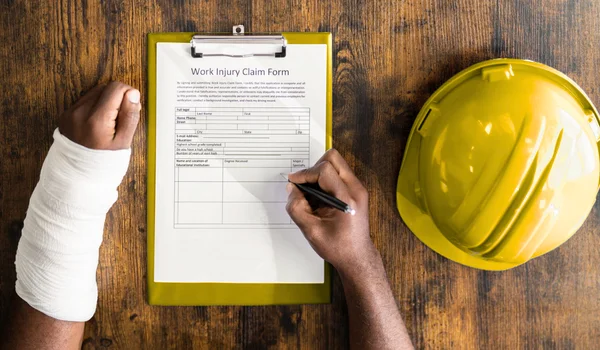
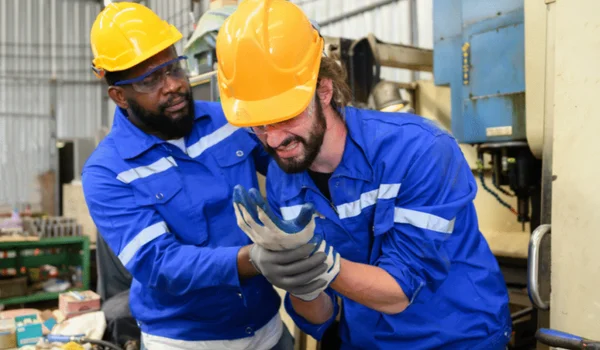
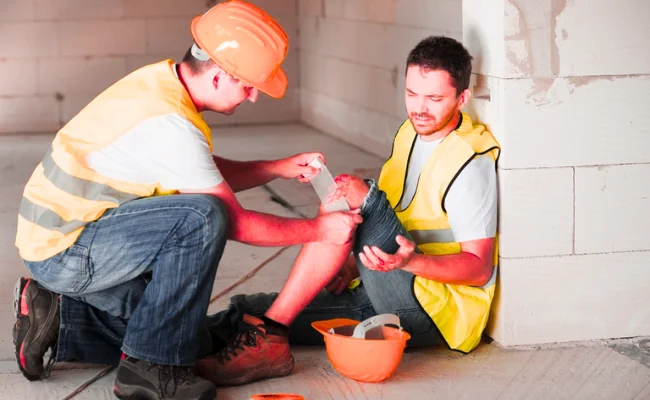
A workplace injury can turn your life upside down in seconds. Whether you work in construction, healthcare, manufacturing, warehousing, retail, or an office environment, getting hurt on the job can bring physical pain, financial stress, and confusion about what to do next. If you were injured at work in Minnesota, it’s important to understand your rights, the benefits available to you, and when legal help may be needed.
Minnesota has specific workplace injury and workers’ compensation laws designed to protect employees. However, the system is not always simple, and injured workers often face delays, denials, or pressure from employers and insurance companies. This guide explains workplace injuries in Minnesota in easy-to-understand terms—for workers seeking answers and for law practices looking to educate potential clients.
What Is Considered a Workplace Injury in Minnesota?
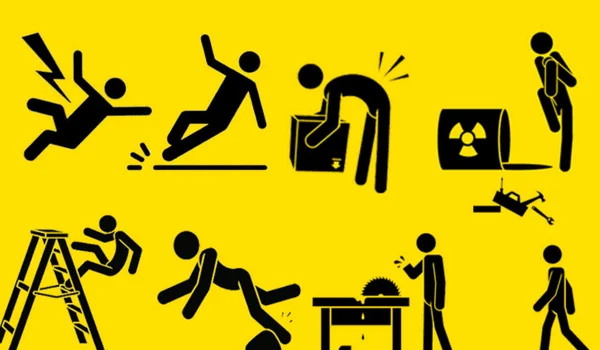
In Minnesota, a workplace injury generally means any injury or illness that arises out of and in the course of employment. This includes sudden accidents as well as conditions that develop over time.
Workplace injuries can happen:
- At a job site or office
- While traveling for work
- During job-related tasks off-site
- While using employer-provided equipment
- During repetitive or physically demanding duties
Both physical injuries and occupational illnesses may qualify for benefits under Minnesota law.
Common Types of Workplace Injuries in Minnesota
Minnesota’s workforce includes a wide range of industries, and injuries can vary depending on the job. Some of the most common workplace injuries include:
Slips, Trips, and Falls
Falls on wet floors, icy walkways, ladders, or uneven surfaces are a leading cause of workplace injuries, especially during Minnesota winters.
Construction and Industrial Accidents
These may involve:
- Falls from heights
- Heavy equipment accidents
- Scaffolding failures
- Crush injuries
- Amputations
Repetitive Stress Injuries
Jobs involving typing, assembly work, healthcare tasks, or repetitive lifting can lead to:
- Carpal tunnel syndrome
- Tendinitis
- Back and shoulder injuries
Back and Spine Injuries
Lifting injuries and sudden movements often cause herniated discs, muscle strains, or long-term back pain.
Machinery and Tool Injuries
Improperly guarded machines or defective tools can cause serious hand, arm, and finger injuries.
Occupational Illnesses
Exposure to chemicals, dust, or harmful substances can result in respiratory problems, skin conditions, or long-term diseases.
Minnesota Workers’ Compensation: The Basics
Minnesota operates under a workers’ compensation system, which provides benefits to employees injured on the job regardless of fault.
Most employers in Minnesota are required to carry workers’ compensation insurance.
What Workers’ Compensation Covers
If you are injured at work in Minnesota, workers’ compensation may provide:
- Medical benefits for necessary treatment
- Wage-loss benefits if you miss work
- Temporary total or partial disability benefits
- Permanent disability benefits if you suffer lasting impairment
- Vocational rehabilitation if you cannot return to your previous job
- Death benefits for surviving family members in fatal accidents
These benefits are meant to help injured workers recover and stay financially stable—but they are often limited.
What Workers’ Compensation Does NOT Cover
While workers’ compensation is helpful, it does not provide everything.
It generally does not cover:
- Full wage replacement
- Pain and suffering
- Emotional distress
- Loss of enjoyment of life
Because of these limits, injured workers sometimes explore additional legal options.
What To Do After a Workplace Injury in Minnesota
Taking the right steps after an injury can protect both your health and your legal rights.
- Get Medical Help Immediately
Seek treatment right away, even if the injury seems minor. Delaying care can worsen injuries and weaken claims.
- Report the Injury to Your Employer
Minnesota law requires timely notice. Tell your supervisor as soon as possible and provide written notice if you can.
- Document Everything
Keep records of:
- Medical visits
- Missed workdays
- Employer communications
- Accident details and witnesses
- Follow Medical Advice
Failure to follow treatment plans can lead to benefit disputes.
Common Problems in Minnesota Workplace Injury Claims
Despite the protections in place, many injured workers face challenges such as:
- Claim denial
- Delayed medical approvals
- Disputes over whether the injury is work-related
- Pressure to return to work too soon
- Reduced or stopped wage benefits
- Disagreements about permanent disability ratings
These issues are more common with serious or long-term injuries.
Can You Sue for a Workplace Injury in Minnesota?
In most cases, workers’ compensation is the exclusive remedy against an employer. However, there are important exceptions.
Third-Party Injury Claims
If someone other than your employer caused your injury, you may be able to file a separate personal injury claim.
Examples include:
- A defective machine made by another company
- A negligent subcontractor on a job site
- A car accident caused by another driver while working
- Unsafe property owned by a third party
These claims may allow recovery for damages not available through workers’ compensation.
When You Should Consider a Minnesota Workplace Injury Lawyer
Not every injury requires legal representation, but many situations do.
You should strongly consider speaking with a workplace injury lawyer if:
- Your injury is serious or permanent
- You need surgery or long-term treatment
- Your claim is denied or delayed
- Your employer disputes the injury
- You’re pressured to return to work early
- You’re offered a settlement you don’t understand
- A third party may be responsible
Early legal guidance can prevent costly mistakes.
What a Minnesota Workplace Injury Lawyer Can Do
A workplace injury lawyer can:
- Explain your rights clearly
- Handle insurance company communication
- Gather medical and employment evidence
- Challenge denials or benefit reductions
- Ensure proper disability ratings
- Identify third-party claims
- Represent you at hearings or negotiations
For law practices, these cases require knowledge of Minnesota-specific workers’ compensation rules and injury law.
Cost of Hiring a Workplace Injury Lawyer in Minnesota
Many injured workers worry about legal costs. Most Minnesota workplace injury lawyers:
- Offer free consultations
- Charge fees regulated by state law
- Do not require upfront payment
This makes legal help accessible even during financial hardship.
Long-Term Impact of Workplace Injuries
A workplace injury can affect more than just your current job. Long-term consequences may include:
- Reduced earning ability
- Ongoing medical care
- Chronic pain
- Career changes
- Emotional stress
Proper handling of a claim helps protect not just today’s income, but your future stability.
What This Means for Law Firms
For Minnesota law practices, workplace injury cases are about more than filing paperwork. They involve:
- Client education
- Careful medical analysis
- Strategic handling of insurers
- Long-term planning for injured workers
Clear, user-friendly information builds trust and helps injured workers feel supported.
Conclusion
A workplace injury in Minnesota can be stressful, painful, and confusing—but you are not without rights. Minnesota’s workers’ compensation system provides important protections, yet it does not always work smoothly or fully address the impact of a serious injury.
Understanding how workplace injury claims work, knowing what benefits are available, and recognizing when legal help may be needed can make a powerful difference in recovery and financial security.
If you’ve been injured on the job in Minnesota, learning your options is the first step toward protecting your health, your income, and your future.
About the Author